Iron-Rich Foods: What USDA Data Says About Anemia, Heme vs Non-Heme
This article is for informational purposes only and is not medical advice. Iron metabolism and anemia are serious health matters. Consult a qualified healthcare provider before changing your diet or taking iron supplements, especially if you are pregnant, have a chronic condition, or suspect a deficiency. Excess iron can be harmful.
I build data aggregators for a living. HealthSavvyGuide is one of them — a project that pulls structured nutrition data from the U.S. Department of Agriculture's FoodData Central (FDC) and organizes it so it is searchable. I am an engineer, not a dietitian. But spending months aggregating iron values across 10,554 food records taught me something the typical "top 10 iron foods" listicle never tells you: the raw database is misleading if you read it the wrong way. This article walks through what the USDA's own numbers actually say about dietary iron, and where the common rankings go wrong.
Why iron matters, in plain terms
Iron is an essential trace mineral. Your body uses it to make hemoglobin, the protein in red blood cells that carries oxygen from your lungs to the rest of your body, and myoglobin, which stores oxygen in muscle. When iron runs short, the body cannot make enough healthy red blood cells, a condition called iron-deficiency anemia.
According to the World Health Organization, anemia affects roughly 40% of children aged 6–59 months, 37% of pregnant women, and 30% of women aged 15–49 worldwide, making iron deficiency one of the most common nutritional shortfalls on the planet. The U.S. National Institutes of Health Office of Dietary Supplements lists the Recommended Dietary Allowance (RDA) as 8 mg per day for adult men and 18 mg per day for adult women aged 19–50, rising to 27 mg per day during pregnancy. These are the reference numbers I keep open whenever I look at the data.
The first thing the database taught me: per-100g rankings lie
When I sort the foods table by iron content, descending, the top of the list is almost comical. Here is roughly what the highest-iron records look like, with their FDC identifiers so you can verify them yourself:
- Quaker Quick Oats with Iron, dry (FDC ID 174640): 49.45 mg per 100 g
- Dried dill weed, a spice (FDC ID 171322): 48.78 mg per 100 g
- Celery seed (FDC ID 170920): 44.90 mg per 100 g
- Beef spleen, raw (FDC ID 169454): 44.55 mg per 100 g
- Dried bay leaf (FDC ID 170917): 43.00 mg per 100 g
The problem is the denominator. USDA's SR Legacy values are reported per 100 grams of edible portion. Nobody eats 100 grams of dried bay leaf — that is an enormous jar of the stuff. A single bay leaf weighs well under a gram, so its real-world iron contribution is a rounding error. The fortified cereals are a different artifact: their iron is added during manufacturing, so they top the chart by formulation, not by anything intrinsic to the grain. From an engineering perspective, this is a classic units-and-context trap: the number is correct, but ranking on it without normalizing for a realistic serving produces a useless list. Any "iron-rich foods" article that just dumps the top of this table is reproducing a data artifact.
What the data looks like once you filter for real foods
Filter out the spices and fortified products, and the picture becomes far more practical. These are whole-food iron sources straight from the same USDA records, again per 100 grams, with FDC IDs:
- Cooked clams, mixed species (FDC ID 171974): 13.91 mg — shellfish are genuinely iron-dense
- Dried-frozen tofu, koyadofu (FDC ID 172450): 9.73 mg, plus a striking 52 g protein
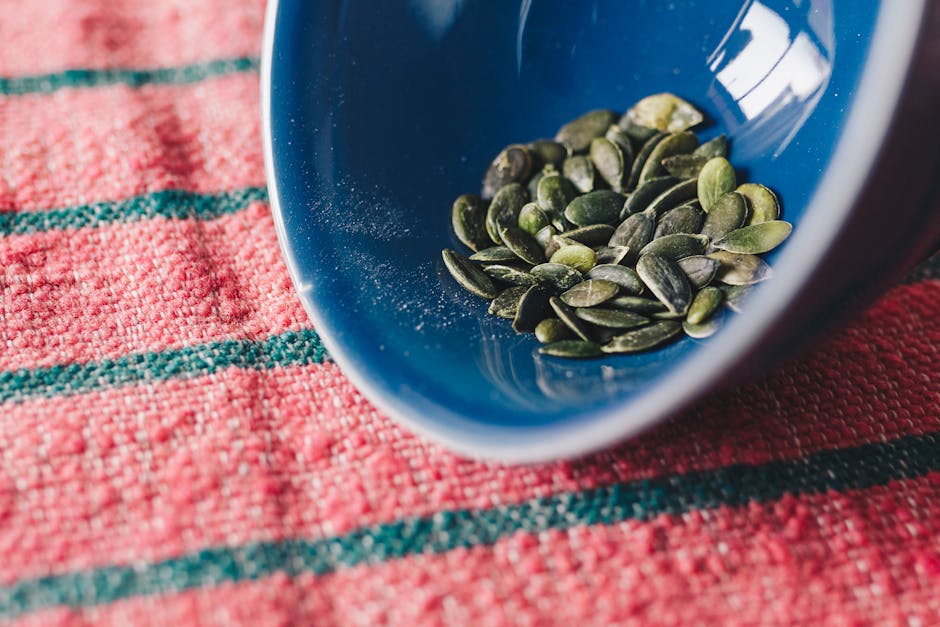
- Raw pumpkin seeds, pepitas (FDC ID 2515380): 8.36 mg
- Raw cashew nuts (FDC ID 170162): 6.68 mg
- Raw chickpeas / garbanzo beans (FDC ID 173756): 4.31 mg
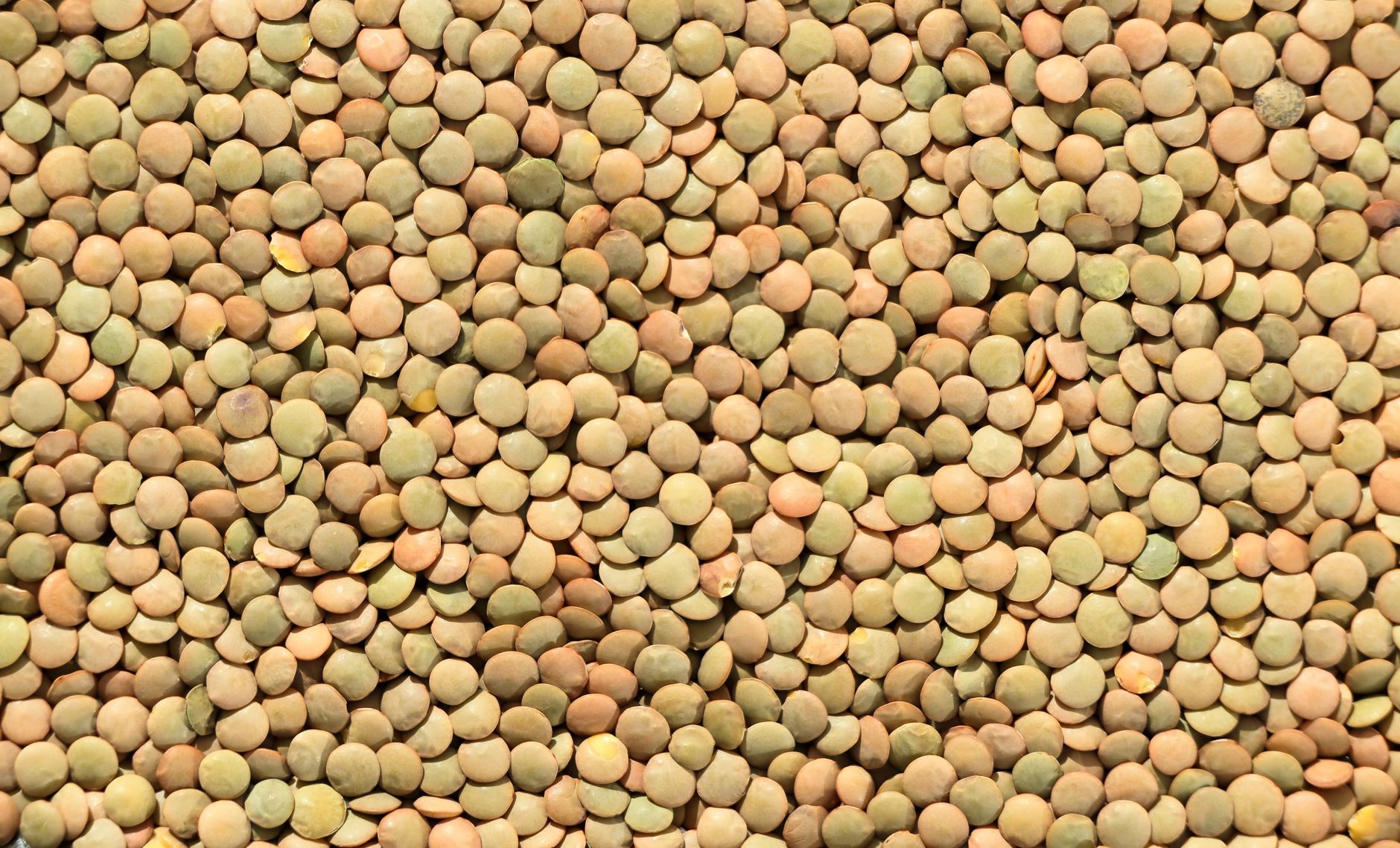
- Cooked lentils, boiled (FDC ID 172421): 3.33 mg
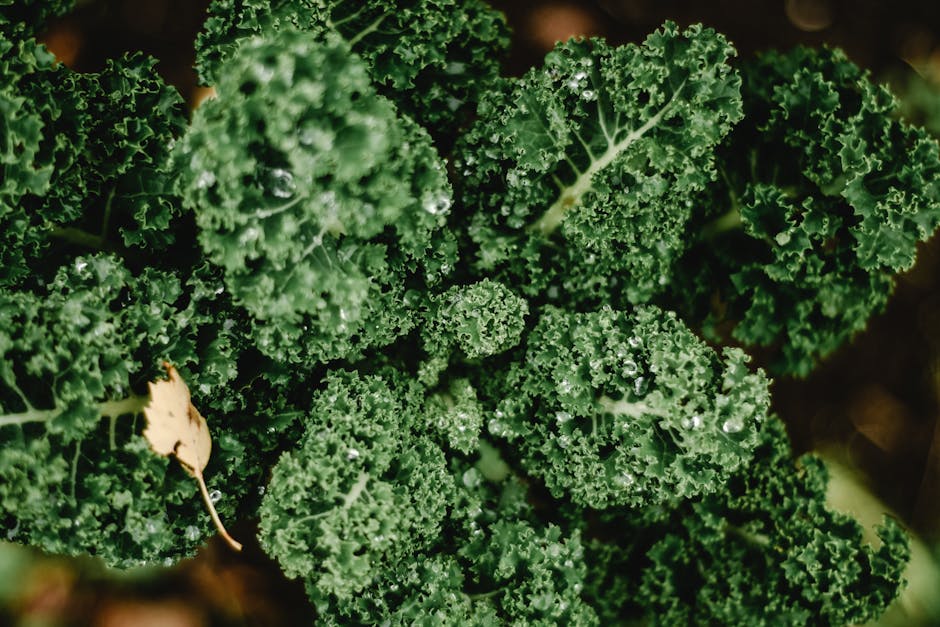
Cooked lentils at 3.33 mg per 100 g may look modest next to a spice, but a normal serving is around 200 g cooked, and you actually eat that much. That is the difference between a number that ranks well and a number that feeds you. Beef liver, oysters, and red meat round out the high-density animal sources; legumes, seeds, tofu, and dark leafy greens lead the plant side.
Heme vs. non-heme iron: the distinction the table cannot show
Here is a limitation I ran into directly. The USDA records store total iron in milligrams. They do not split it into the two chemical forms that matter for absorption: heme iron and non-heme iron. That split is one of the most important facts about dietary iron, and it lives outside the spreadsheet.
Heme iron comes from hemoglobin and myoglobin in animal flesh — meat, poultry, and seafood. Non-heme iron comes from plants, and from the iron added to fortified foods. According to the NIH Office of Dietary Supplements, the body absorbs heme iron far more efficiently — on the order of 14–18% from a mixed diet, versus roughly 5–12% for non-heme iron from a vegetarian diet. In practical terms, the 3.33 mg of iron in a serving of lentils is not equivalent to 3.33 mg from clams, because a smaller fraction of the plant iron actually crosses into your bloodstream. This is why dietary reference intakes for vegetarians are sometimes set higher. A pure database query will never reveal this, because the column does not exist — you have to read the nutrition science alongside the data.
An absorption pattern hiding in the columns
One genuinely useful thing I could do with the aggregated data was cross-reference iron against vitamin C, because the foods table stores both. This matters: vitamin C (ascorbic acid) substantially boosts the absorption of non-heme iron by reducing it to a more soluble form, a well-documented effect summarized by Harvard T.H. Chan School of Public Health.
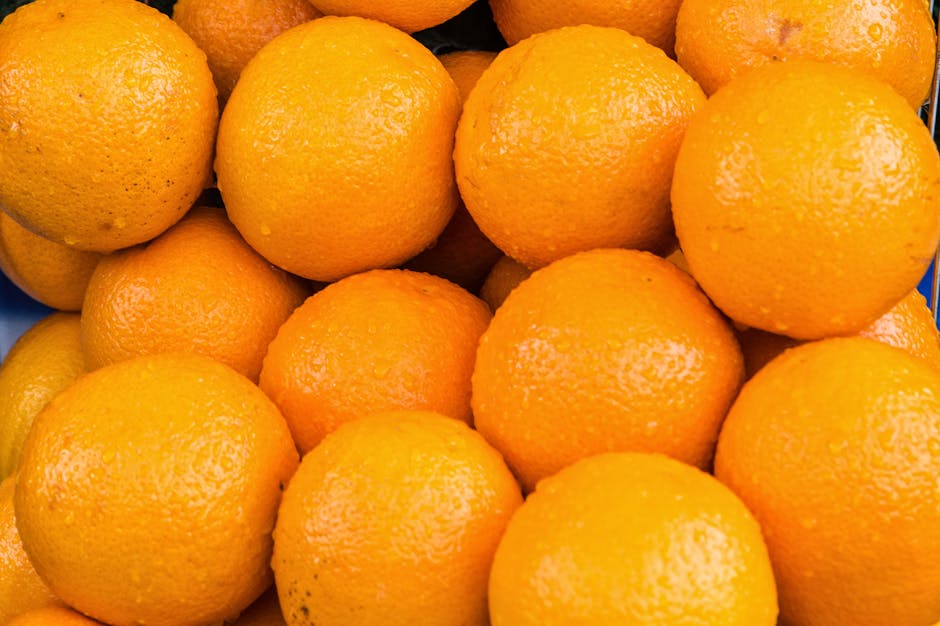
Scanning the records, the pattern is uneven. Some plant iron sources are also vitamin C–rich — dried coriander leaf (FDC ID 170921), for example, carries both high iron (42.46 mg) and high vitamin C (566.7 mg per 100 g). But most of the iron-dense staples I looked at — cashews (0.5 mg vitamin C), chickpeas (4 mg), tofu (0.7 mg) — are nearly vitamin C–free. The data-driven takeaway is the same one dietitians give: if you rely on plant iron, pair it with a vitamin C source in the same meal. Squeeze lemon over lentils, add bell pepper or tomato to a bean dish, or have citrus alongside an iron-fortified breakfast. Conversely, tannins in tea and coffee and the calcium in dairy can inhibit non-heme iron absorption, so the timing of those drinks around an iron-focused meal is worth considering.
Three data points worth remembering
- Rankings depend entirely on serving basis. Across all 10,554 foods I aggregated, the highest per-100g iron entries are dominated by dried spices and iron-fortified cereals — categories you consume in grams or by formulation, not as meals. Always sanity-check against a realistic portion.
- The database stores total iron, not heme vs. non-heme. That single missing distinction changes how much iron from a given food your body can actually use, by a factor of two or three.
- Iron and vitamin C rarely co-occur in the same staple. Most iron-dense legumes, nuts, and tofu in the USDA data carry negligible vitamin C, which is exactly why meal pairing — not just food choice — drives plant-iron absorption.
A note on too much iron
More is not better. Unlike water-soluble vitamins, the body has no efficient way to excrete excess iron, and it accumulates. The NIH sets a Tolerable Upper Intake Level of 45 mg per day for adults from supplements, and notes that high doses can cause gastrointestinal distress, while the genetic condition hereditary hemochromatosis causes dangerous iron overload. The CDC and Mayo Clinic both stress that iron supplements should only be taken when a deficiency has been diagnosed, because supplementing without a confirmed need can do harm. This is precisely the kind of decision that belongs with a clinician and a blood test, not a food database.
What I take away as a builder
Aggregating USDA data does not make me a nutrition authority, and HealthSavvyGuide is an engineering project rather than a clinic. But working through the iron numbers reinforced a habit that applies to any dataset: the value in a cell is only meaningful with its units, its context, and the science that the schema leaves out. The USDA tells you how many milligrams of iron sit in 100 grams of a food. It does not tell you how much you will eat, how much you will absorb, or whether you need it. For those questions — especially if you are tired, pale, pregnant, or simply unsure — the right move is a conversation with a healthcare provider, ideally backed by a ferritin or hemoglobin test.
Sources: USDA FoodData Central; NIH Office of Dietary Supplements (Iron); World Health Organization (Anaemia); Harvard T.H. Chan School of Public Health (Iron); U.S. Centers for Disease Control and Prevention; Mayo Clinic. This content is informational and not a substitute for professional medical advice.
Found this helpful?
Subscribe to our newsletter for more in-depth reviews and comparisons delivered to your inbox.