Molybdenum-Rich Foods: The Forgotten Trace Mineral in USDA FDC Data (2026)
Building HealthSavvyGuide on top of the USDA FoodData Central (FDC) API, I spend a lot of time staring at nutrient tables that most people never open. When you aggregate values for more than 1,465 foods, a pattern shows up fast: some nutrients are everywhere, fully populated and well documented, while others sit half-empty in the database. Molybdenum is the clearest example of the second group. It is an essential trace mineral, it has a published Recommended Dietary Allowance, and yet from an engineering perspective it is one of the most sparsely recorded values in the whole FDC catalog.
This article is a data-engineering look at molybdenum: what it does, which foods actually carry it, what the USDA records (and fails to record), and how to read those numbers without overinterpreting them. It is informational only. I build data aggregators for a living; I am not a dietitian or a medical professional, and nothing here is personalized nutrition advice.
What molybdenum actually does
Molybdenum is a trace mineral the body needs in microgram amounts. According to the NIH Office of Dietary Supplements (ODS), it works as a cofactor for four human enzymes: sulfite oxidase, xanthine oxidase, aldehyde oxidase, and mitochondrial amidoxime reducing component (mARC). Of those, sulfite oxidase is the one most often described, because it helps the body process sulfur-containing amino acids. Without functioning molybdenum-dependent enzymes, the breakdown of certain amino acids and nucleotides stalls.
The practical takeaway is that molybdenum is essential but needed in tiny quantities, and a normal mixed diet usually supplies it. The ODS notes that frank dietary deficiency is essentially unknown in healthy people eating ordinary food. That single fact reframes the whole topic: this is not a mineral most people need to chase, but it is one worth understanding when you read a label or a database row.
How much do adults need?
The reference numbers come from the National Academies and are summarized by the NIH ODS:
- RDA for adults (19+): 45 micrograms (mcg) per day for both men and women.
- Pregnancy and lactation: 50 mcg per day.
- Tolerable Upper Intake Level (UL) for adults: 2,000 mcg per day.
Notice the gap between the RDA (45 mcg) and the UL (2,000 mcg). That is a wide window, which is part of why molybdenum rarely makes headlines. Most people land comfortably between the two from food alone. The ODS estimates average U.S. intake at roughly 76 mcg/day for women and 109 mcg/day for men — already above the RDA without anyone trying.
The USDA FDC data angle: a sparsely recorded nutrient
Here is the engineering observation that does not appear in typical "foods high in molybdenum" articles. In USDA FoodData Central, molybdenum is stored under nutrient ID 1102 (unit: micrograms). When I query across the Foundation Foods and SR Legacy datasets, the field is blank far more often than it is filled. Many foods that almost certainly contain molybdenum simply have no value recorded for nutrient 1102, because the original lab analyses did not measure it.
This matters for anyone building a "top sources" table. If you sort foods by recorded molybdenum descending, you are really sorting by which foods happened to get analyzed for molybdenum, not necessarily by which foods contain the most. It is a coverage artifact, not a biology fact. The most reliable molybdenum figures in public data actually come from older USDA research and the ODS fact sheet, which draws on the Total Diet Study and specific analytical surveys rather than the day-to-day FDC entries.
I flag this in HealthSavvyGuide's aggregation logic so molybdenum rows are treated as low-confidence unless they trace back to a measured source. It is a good reminder that a number existing in a database is not the same as a number being complete.
Top food sources of molybdenum
Pulling from the NIH ODS fact sheet (which compiles measured values), the standout sources are legumes, grains, and organ-adjacent foods. The table below lists representative amounts per serving. Treat these as ballpark figures — molybdenum content varies a lot with soil, because plants take it up from the ground they grow in.
| Food | Serving | Molybdenum (mcg) | % Daily Value* |
|---|---|---|---|
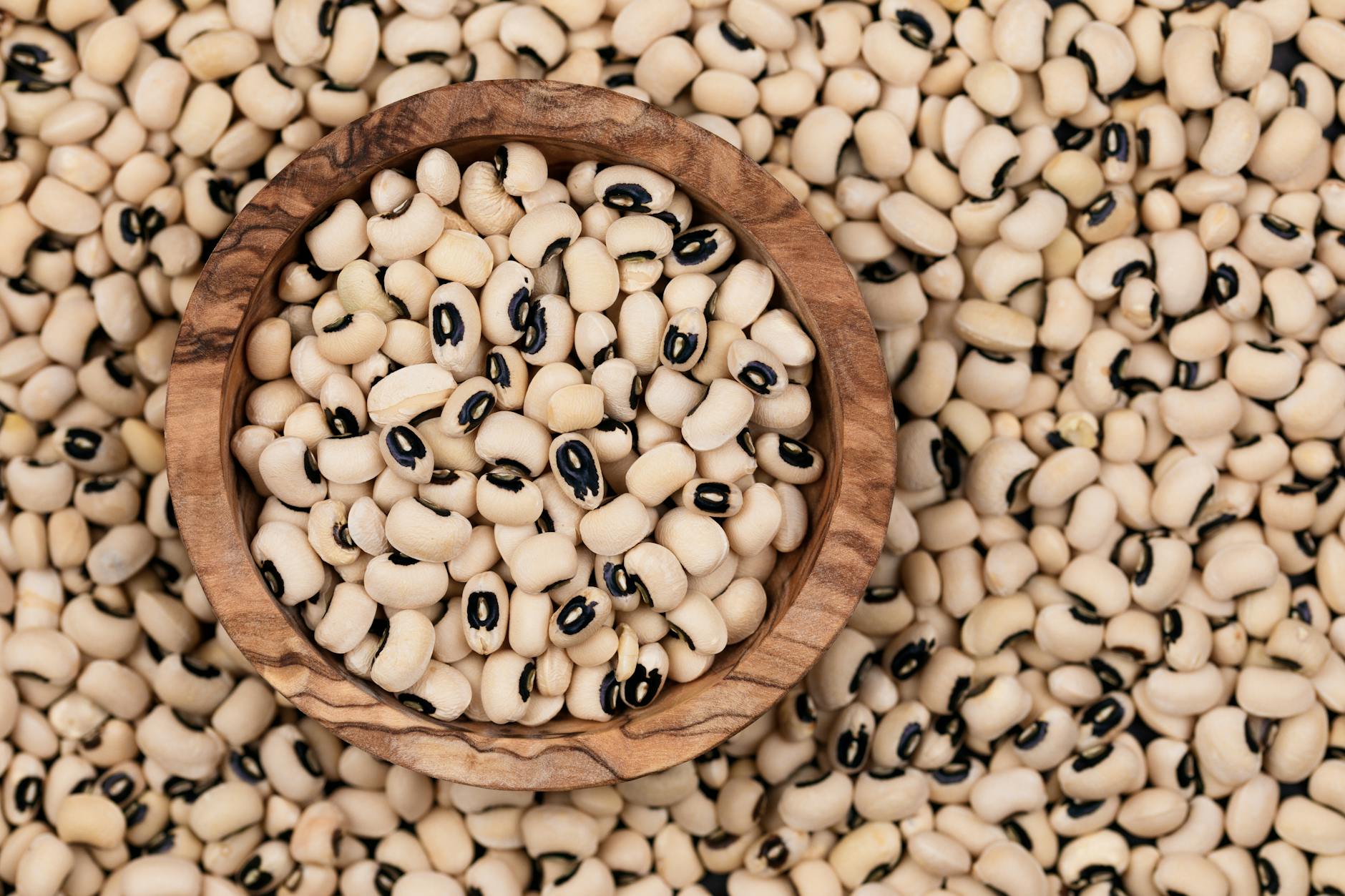
| Black-eyed peas | 1 cup, cooked | ~288 | 640% |
| Lima beans | 1 cup, cooked | ~141 | 313% |
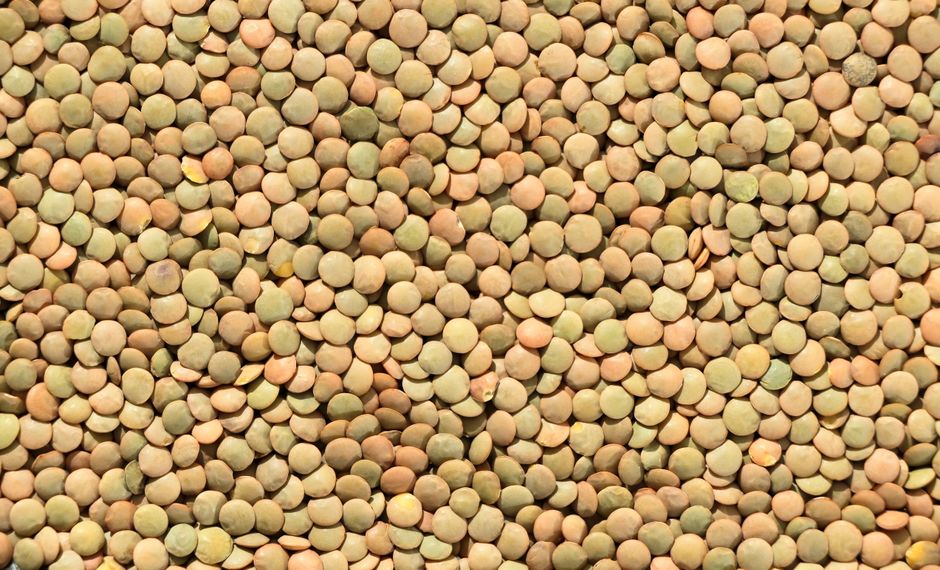
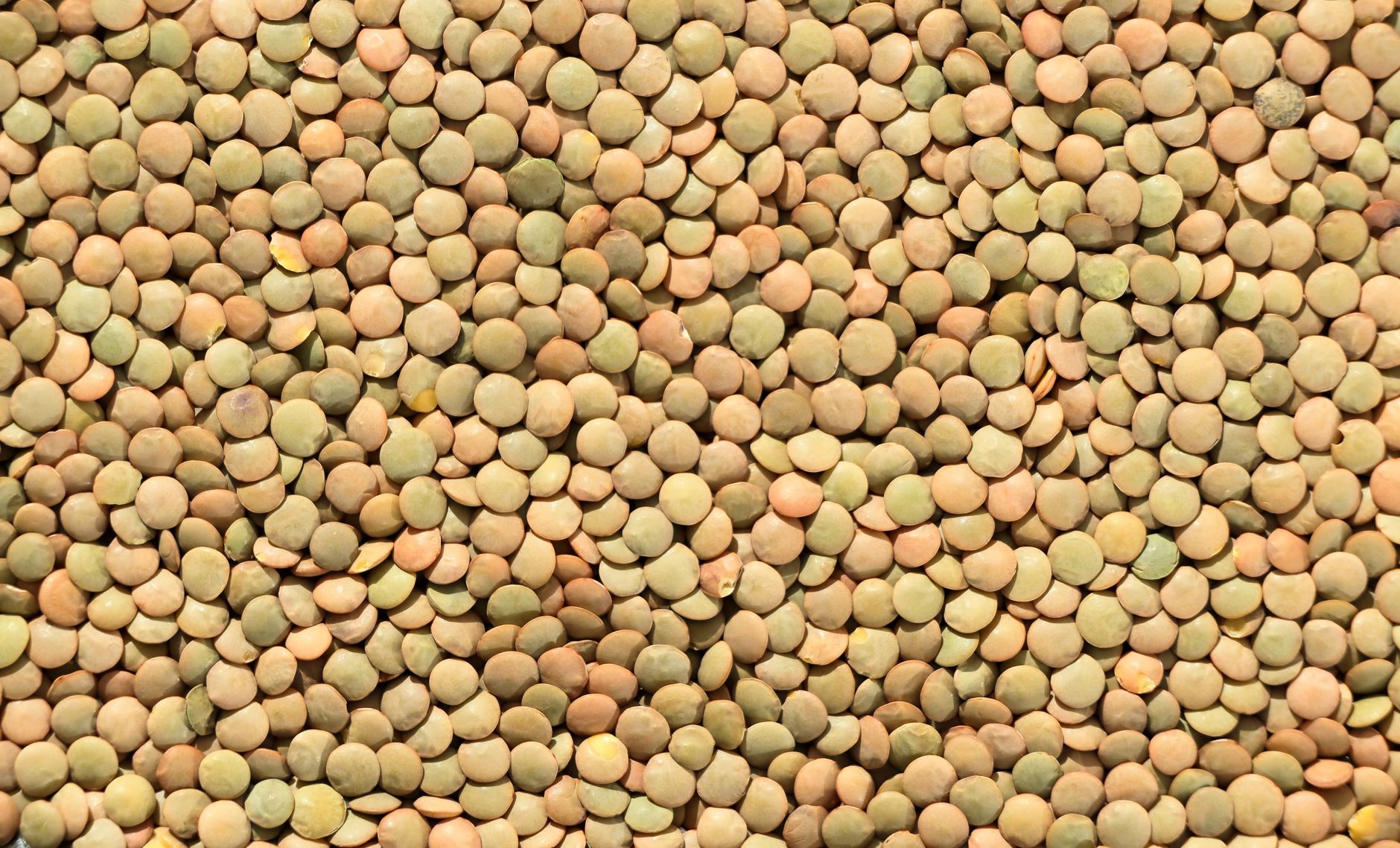
| Lentils | 1 cup, cooked | ~74 | 164% |
| Beef liver | 3 oz | ~104 | 231% |
| Yogurt, plain low-fat | 1 cup | ~26 | 58% |
| Whole wheat bread | 2 slices | ~17 | 38% |
| Peanuts | 1 oz | ~10 | 22% |
| Brown rice | 1 cup, cooked | ~9 | 20% |
*Daily Value (DV) for molybdenum on U.S. nutrition labels is 45 mcg. Values rounded from NIH ODS data; actual content varies by soil and processing.
The single most striking number here is black-eyed peas: one cup can supply several times the daily reference amount on its own. Legumes dominate this list, which is consistent across most published molybdenum surveys. If a diet includes beans, lentils, peas, and whole grains regularly, molybdenum intake is essentially a non-issue.
What soil variation does to the numbers
One underappreciated detail: molybdenum in plant foods tracks the soil they were grown in more closely than almost any other mineral. The ODS specifically notes that plant molybdenum content depends on soil concentration and water conditions. That is the deeper reason the USDA values carry uncertainty — a lentil grown in one region may differ meaningfully from the same variety grown elsewhere. From a data engineering view, this is why I never present molybdenum figures as precise; a single stored value is a snapshot of one sample, not a fixed property of the food.
Deficiency and excess: both are uncommon
Dietary molybdenum deficiency has essentially never been documented in otherwise healthy people, according to the NIH ODS. The rare documented cases involved patients on long-term intravenous nutrition that lacked molybdenum, plus a very rare genetic condition called molybdenum cofactor deficiency, which is unrelated to diet and present from birth.
On the other end, high intakes from food are not a realistic concern. The 2,000 mcg/day upper limit is far above what food delivers. Most reports of adverse effects come from occupational or environmental exposure, not eating beans. The Mayo Clinic and other clinical references generally advise that supplemental molybdenum is unnecessary for most adults precisely because food coverage is so reliable.
Should you take a molybdenum supplement?
For most people eating a varied diet that includes legumes and whole grains, the data points strongly toward "no need." The mineral is widespread in plant foods, average intakes already exceed the RDA, and the body needs only microgram amounts. Some multivitamins include small amounts of molybdenum, which is generally harmless within the UL, but standalone high-dose molybdenum supplements are rarely warranted. Anyone with a specific medical condition, on parenteral nutrition, or considering supplements should talk to a qualified healthcare provider rather than self-prescribing.
Three things worth remembering
- Legumes carry the load. Beans, lentils, and peas are the most consistent molybdenum sources in the data — one cup of black-eyed peas alone exceeds the daily reference amount many times over.
- The database is incomplete, not the diet. Blank molybdenum fields in USDA FDC reflect what was measured, not what foods contain. Sparse data is a recording gap, not evidence of low content.
- Deficiency is a non-event for healthy eaters. With a normal mixed diet, molybdenum status takes care of itself, and the gap between the RDA (45 mcg) and the UL (2,000 mcg) leaves a very wide safe range.
Frequently asked questions
Is molybdenum the same as molybdenum disulfide used in lubricants?
No. Molybdenum is the underlying element; molybdenum disulfide is an industrial compound. The dietary trace mineral discussed here is the form found in foods and measured by the USDA, in microgram quantities.
Does cooking destroy molybdenum?
Molybdenum is a mineral, so it is not destroyed by heat the way some vitamins are. Some can leach into cooking water, but the losses are modest compared with the large amounts legumes provide.
Why do different sources give different molybdenum numbers for the same food?
Because soil concentration varies by region and the USDA's recorded value often comes from a single sample. This is exactly the data-quality issue covered above — molybdenum figures are estimates, not fixed constants.
Can I get enough molybdenum on a plant-based diet?
Yes — plant foods, especially legumes and whole grains, are the richest molybdenum sources of all. A plant-forward diet tends to be high in this mineral rather than low.
The bottom line
Molybdenum is a useful case study in how a nutrient can be both biologically essential and practically invisible. It powers four enzymes, the body needs only micrograms of it, and ordinary food — legumes above all — supplies plenty. From the data side, it is also a reminder to read databases skeptically: the empty cells in USDA FoodData Central say more about what scientists chose to measure than about what is on your plate.
Medical disclaimer: This article is for informational purposes only and is not medical advice. It was written from the perspective of a software engineer aggregating public USDA nutrition data, not a healthcare professional. It does not diagnose, treat, or provide personalized dietary recommendations. Always consult a qualified healthcare provider or registered dietitian before making changes to your diet or starting any supplement. Authoritative sources referenced include the NIH Office of Dietary Supplements and USDA FoodData Central.
Found this helpful?
Subscribe to our newsletter for more in-depth reviews and comparisons delivered to your inbox.