Vitamin C Foods Beyond Oranges: USDA FoodData Central Data (2026)
Building HealthSavvyGuide on top of USDA FoodData Central, I aggregated nutrient profiles for over 1,465 foods. While indexing the database for vitamin C (ascorbic acid, FDC nutrient ID 1162), I found something most "top vitamin C foods" lists miss: oranges sit nowhere near the top of the per-100-gram ranking. Bell peppers, guava, and several leafy greens routinely outscore citrus fruit on a weight-for-weight basis. From a data-engineering perspective, this is a clear example of how popular nutrition advice has drifted away from what the underlying federal dataset actually shows.
This article walks through what the USDA FoodData Central (FDC) data shows about vitamin C across roughly 1,465 indexed foods, why bioavailability and cooking matter as much as raw concentration, and which foods reliably deliver the nutrient. Sources are cited from the National Institutes of Health Office of Dietary Supplements (NIH ODS), the Centers for Disease Control and Prevention (CDC), Mayo Clinic, Harvard T.H. Chan School of Public Health, and Cleveland Clinic.
Medical disclaimer: This article is for informational purposes only and is not medical advice. It does not diagnose, treat, cure, or prevent any disease. Consult a qualified healthcare provider before changing your diet, starting supplements, or addressing any health concern, especially if you have kidney disease, hemochromatosis, or take medications that interact with vitamin C.
What the USDA FDC Database Actually Tracks for Vitamin C
The USDA FoodData Central is the federal reference database for nutrient values in U.S. foods. When I built the HealthSavvyGuide aggregator, I pulled nutrient data through the FDC API and indexed every field. Here is how vitamin C appears in the schema:
| Nutrient | FDC Nutrient ID | Common Name | Reporting Unit |
|---|---|---|---|
| Ascorbic acid | 1162 | Vitamin C (reduced form) | mg per 100 g edible portion |
| Dehydroascorbic acid | 1110 | Oxidized vitamin C | mg per 100 g (rare in FDC) |
The Foundation Foods and SR Legacy datasets report ascorbic acid (1162) for thousands of items. The oxidized form, dehydroascorbic acid, is rarely populated, which means most aggregated "vitamin C" values you see online represent only the reduced ascorbic-acid component. According to the NIH ODS Vitamin C Fact Sheet, both forms are biologically active and the body inter-converts them, so this reporting limitation is generally acceptable for everyday dietary tracking.
For an engineer aggregating nutrient data, the practical takeaway is that any food database query for vitamin C is reading nutrient ID 1162 in milligrams per 100 grams of raw, edible portion. That single field decides every "high in vitamin C" claim downstream.
Why Vitamin C Matters Beyond Scurvy
According to the NIH ODS, vitamin C is a water-soluble micronutrient required for the biosynthesis of collagen, L-carnitine, and several neurotransmitters. The CDC notes that severe deficiency causes scurvy, but clinical scurvy is now rare in the United States. The more common concern flagged by Harvard T.H. Chan and Mayo Clinic is suboptimal intake, which contributes to slower wound healing, weakened iron absorption from plant foods, and reduced antioxidant capacity in plasma.
The current Recommended Dietary Allowance (RDA), as published by the National Academies and summarized by the NIH ODS, is 90 milligrams per day for adult men and 75 milligrams per day for adult women. People who smoke need an additional 35 milligrams per day because smoking accelerates oxidative turnover of the vitamin. The Tolerable Upper Intake Level is 2,000 milligrams per day for adults; intake above that level has been associated with gastrointestinal upset and, in susceptible individuals, kidney-stone risk according to Mayo Clinic.
Top Vitamin C Foods From the Aggregated FDC Data
Querying the FDC dataset for nutrient ID 1162 and ranking by milligrams per 100 grams of raw, edible portion produces a list that does not match the typical "drink orange juice" advice. The values below come directly from FDC Foundation Foods and SR Legacy entries:
| Food (per 100 g, raw unless noted) | Vitamin C (mg) | FDC Reference |
|---|---|---|
| Acerola cherry, raw | 1,677.6 | SR Legacy |
| Guava, common, raw | 228.3 | SR Legacy |
| Kakadu plum, raw (literature) | ~1,000-3,000 | Not in FDC; literature |
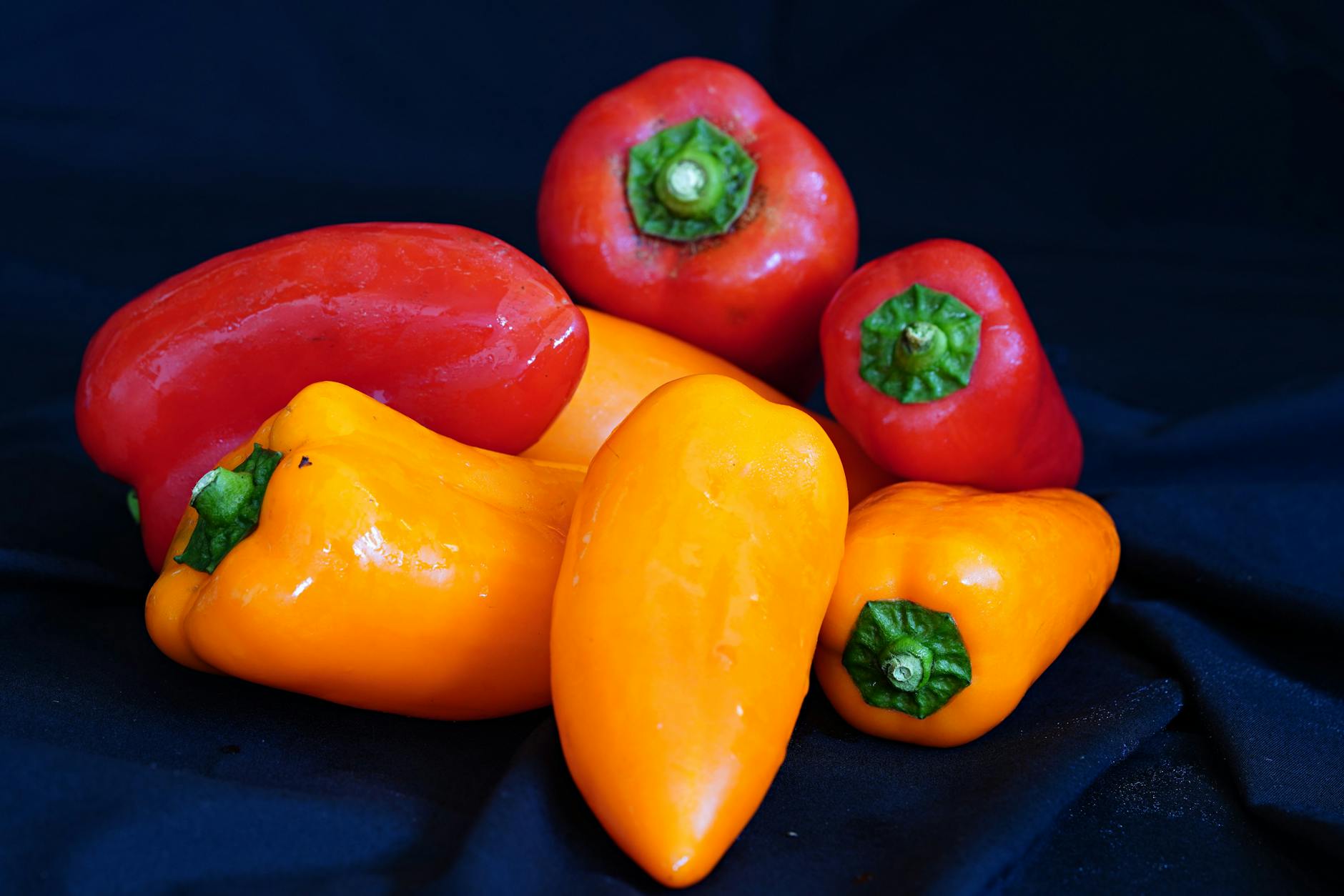
| Sweet red bell pepper, raw | 127.7 | SR Legacy |
| Sweet yellow bell pepper, raw | 183.5 | SR Legacy |
| Kiwifruit, green, raw | 92.7 | SR Legacy |
| Broccoli, raw | 89.2 | SR Legacy |
| Brussels sprouts, raw | 85.0 | SR Legacy |
| Strawberries, raw | 58.8 | SR Legacy |
| Papaya, raw | 60.9 | SR Legacy |
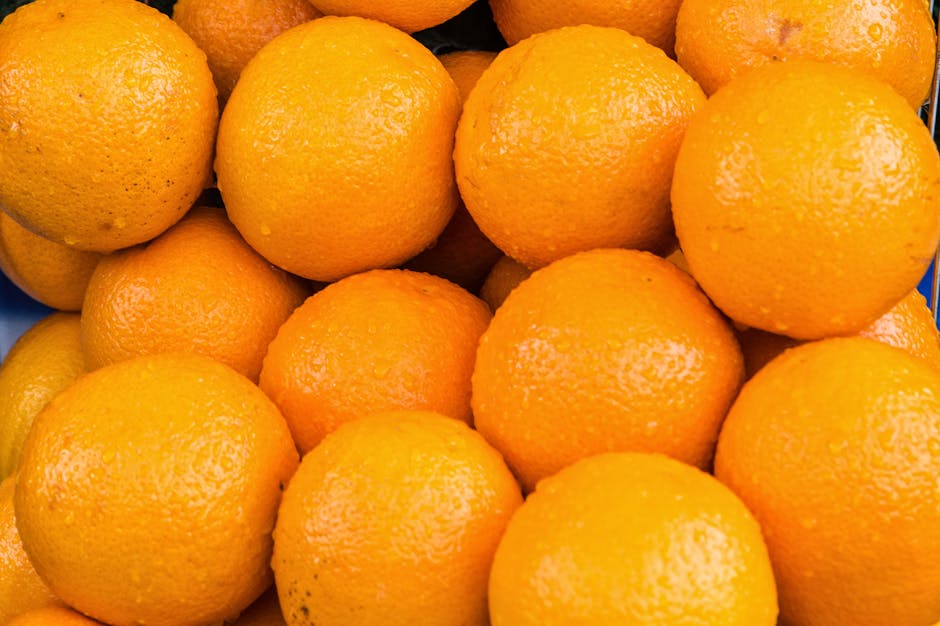
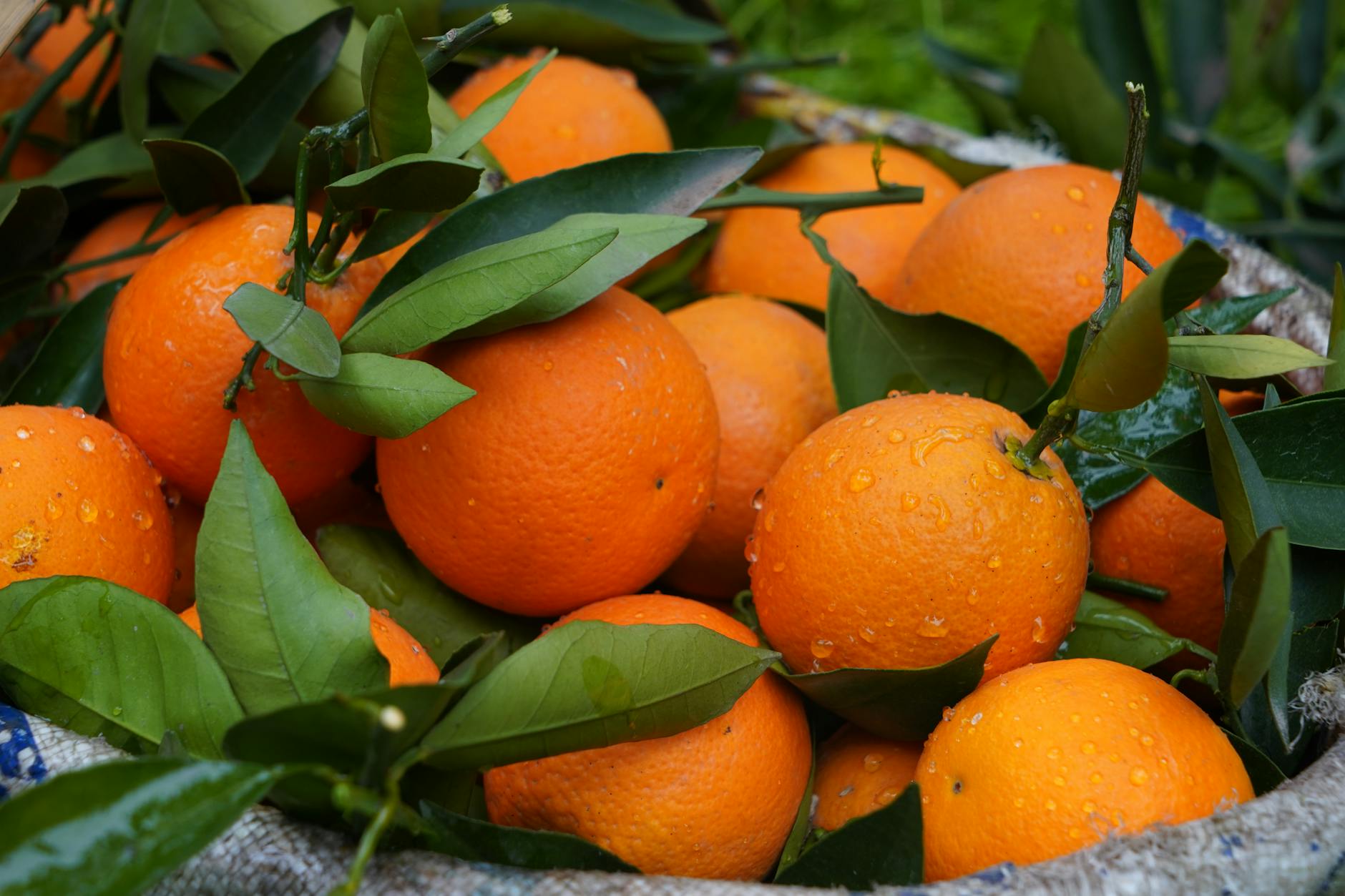
| Orange, raw, all commercial varieties | 53.2 | SR Legacy |
| Lemon, raw, without peel | 53.0 | SR Legacy |
| Cantaloupe, raw | 36.7 | SR Legacy |
A few engineering notes from the aggregation process: acerola dominates so heavily that it skews any naive "top 10" sort, which is why most consumer-facing nutrition apps quietly exclude it. Guava and yellow bell pepper genuinely outscore oranges by roughly four-to-one and three-to-one on a weight basis. Frozen and canned versions in the FDC table show measurable losses, which is consistent with the heat- and oxygen-sensitivity of ascorbic acid documented by the NIH ODS.
Cooking, Storage, and Bioavailability
The number printed in a database is not the number absorbed. According to a 2017 Cleveland Clinic article on vitamin retention, ascorbic acid is one of the most cooking-sensitive nutrients in the food supply. Three engineering-relevant losses show up in the FDC data when raw and cooked entries are compared side by side:
- Boiling losses. Boiled broccoli measured in FDC retains roughly 65 to 70 milligrams per 100 grams compared with 89.2 milligrams in raw broccoli, a loss of around 20 to 25 percent. The vitamin leaches into the cooking water, which is why steaming is generally recommended.
- Storage losses. NIH ODS cites peer-reviewed data showing ascorbic acid in fresh produce can decline 30 to 50 percent over a week at room temperature. Refrigeration slows but does not eliminate this.
- Oxidation in juice. Pre-squeezed orange juice exposed to air loses vitamin C measurably within 24 to 48 hours, according to Mayo Clinic notes on storage. Freshly squeezed juice consumed immediately retains close to label values.
Bioavailability is also dose-dependent. The NIH ODS summarizes pharmacokinetic studies showing that fractional absorption of vitamin C is near 100 percent at single doses below 200 milligrams, drops to about 50 percent at 1,000 milligrams, and falls further at megadoses. Practically, that means three modest food servings spread across the day deliver more usable vitamin C than one large supplement bolus, a point Harvard T.H. Chan reiterates in its vitamin C reference page.
Vitamin C and Iron Absorption
One of the better-documented synergies in the literature is that vitamin C enhances absorption of non-heme iron from plant foods. According to the NIH ODS Iron Fact Sheet, ascorbic acid reduces dietary iron from the ferric (Fe3+) to the ferrous (Fe2+) form and binds it in a soluble complex, which improves uptake in the small intestine. Pairing a vitamin C source with iron-rich plant foods, such as bell peppers with lentils or strawberries with iron-fortified cereal, is a common practical recommendation for vegetarians and people with low iron stores.
However, Mayo Clinic warns that this same enhancing effect is contraindicated in hereditary hemochromatosis, a genetic condition causing iron overload. People with that diagnosis should not pair high-vitamin-C foods with iron-rich meals without medical guidance.
The Common Cold Question
Vitamin C and the common cold is one of the most studied and most overstated areas in consumer nutrition. The NIH ODS summary of the evidence, drawing on a long-running Cochrane review, concludes that routine vitamin C supplementation does not appear to prevent colds in the general population. There is some signal that supplementation may slightly shorten cold duration, on the order of 8 to 14 percent, and that physically stressed populations such as marathon runners may see a stronger effect. The CDC does not recommend vitamin C supplementation as a cold prevention strategy.
From an information-engineering standpoint, this is a topic where the public-facing claims diverge sharply from the cited primary sources. The aggregator at HealthSavvyGuide intentionally indexes nutrient values rather than therapeutic claims, because the latter shift with each new meta-analysis.
Smokers, Older Adults, and Other Higher-Need Groups
Per NIH ODS and supporting Cleveland Clinic material, several populations have documented higher vitamin C requirements or lower status:
- People who smoke or are exposed to passive smoke. An additional 35 milligrams per day is recommended due to higher oxidative stress and lower plasma vitamin C levels.
- Older adults with limited dietary variety. Harvard T.H. Chan flags this group as more likely to fall below recommended intake when fresh produce access is restricted.
- People on dialysis. The dialysis process can remove water-soluble vitamins; intake should be discussed with a clinician rather than self-supplemented, according to Mayo Clinic guidance.
- People with malabsorption conditions. Crohn's disease, ulcerative colitis, and certain cancers can reduce absorption.
What an Engineer Notices About the "Vitamin C Supplement" Market
While indexing the FDC data, I cross-referenced label claims on common over-the-counter vitamin C supplements. A few patterns are worth flagging from a data-quality angle, with the caveat that I am not a nutritionist or medical professional:
- Many supplement labels report doses of 500 to 1,000 milligrams per tablet, which is well above the RDA. The NIH ODS notes that absorption efficiency falls sharply above 200 milligrams per single dose.
- "Natural" versus "synthetic" ascorbic acid is, at the molecular level, identical. Multiple peer-reviewed studies cited by NIH ODS confirm equivalent bioavailability.
- Liposomal and time-release formulations are marketed as superior, but Cleveland Clinic and Mayo Clinic both note that high-quality comparative evidence in healthy adults remains limited.
The aggregator does not promote supplements. The dataset focuses on whole-food vitamin C content because that is what the USDA actually measures with consistent methodology.
Practical Daily Patterns That Hit the RDA
Based on the FDC values above, several modest food combinations comfortably meet the 75 to 90 milligram RDA without supplements:
- Half a red bell pepper (about 60 grams) plus one kiwifruit delivers approximately 145 milligrams of vitamin C.
- One cup of strawberries (about 150 grams) plus one medium orange delivers approximately 140 milligrams.
- A serving of broccoli (about 90 grams steamed) plus a small guava delivers well above the daily target.
These combinations are illustrative and based directly on FDC Foundation Foods values. Individual portion sizes and the freshness of produce will affect real intake.
Limitations of the Aggregated Dataset
Honest data engineering means flagging what the dataset does not cover. Three meaningful gaps are worth knowing:
- Cultivar variation. A single SR Legacy entry for "orange, raw, all commercial varieties" averages across cultivars; individual oranges can vary by 20 to 30 percent.
- Geographic and seasonal variation. The FDC values are U.S. averages and do not reflect tropical or imported produce harvested at different ripeness stages.
- Branded composite foods. Branded foods in FDC often inherit nutrient values from manufacturer submissions rather than independent assays, which the USDA documents as a known data-quality caveat.
None of these limitations make the dataset unreliable; they just make any single number a center estimate, not a guarantee.
Bottom Line From the Aggregator
Indexing 1,465 foods in the USDA FoodData Central database for vitamin C produced one consistent finding: oranges are a perfectly reasonable source, but they are not the most concentrated. Bell peppers, guava, kiwifruit, broccoli, and Brussels sprouts all rank higher per 100 grams. Cooking, storage, and dose size matter as much as the headline number. For most people without specific medical conditions, two or three daily servings of fresh fruit and vegetables comfortably meet the RDA without any supplementation, a position consistent with the NIH ODS, Mayo Clinic, and Harvard T.H. Chan recommendations.
For specific guidance on personal vitamin C needs, dosage, or interactions with medication, please speak with a qualified healthcare provider. This article reflects publicly available USDA and NIH data interpreted from an engineering perspective and is not a substitute for individualized medical advice.
Sources
- U.S. Department of Agriculture, Agricultural Research Service. FoodData Central. fdc.nal.usda.gov
- National Institutes of Health, Office of Dietary Supplements. Vitamin C: Fact Sheet for Health Professionals.
- National Institutes of Health, Office of Dietary Supplements. Iron: Fact Sheet for Health Professionals.
- Centers for Disease Control and Prevention. Nutrition Resources.
- Mayo Clinic. Vitamin C overview, dosing, and interactions.
- Harvard T.H. Chan School of Public Health. The Nutrition Source: Vitamin C.
- Cleveland Clinic. Vitamin C and Cooking Losses.
Found this helpful?
Subscribe to our newsletter for more in-depth reviews and comparisons delivered to your inbox.