Folate (Vitamin B9): What USDA FoodData Central Data Reveals About America's Most Successful Nutrient Fortification Program
When I started building HealthSavvyGuide on top of the USDA FoodData Central (FDC) API, one nutrient kept producing numbers that did not add up the way I expected. A serving of enriched white flour reported 29 micrograms of "folate, food" but 291 micrograms of "folate, DFE." A bowl of enriched white rice showed 2 micrograms of food folate and 97 micrograms of DFE. The folic acid column explained the gap, but the math was not 1-to-1, and that turned out to be the most interesting part of the entire database.
Folate (vitamin B9) is the only nutrient in the FDC catalog whose values are deliberately inflated by a unit conversion designed to reflect biological absorption. The reason traces back to a 1998 U.S. fortification mandate that, according to the Centers for Disease Control and Prevention, prevents an estimated 1,300 neural tube defects every year. From an engineering perspective, aggregating 1,465+ foods exposed how that policy lives inside the data itself.
This article walks through what USDA FoodData Central actually reports for folate, why "DFE" exists, which foods rank highest by real numbers, and what the National Institutes of Health, CDC, and Mayo Clinic say about deficiency. Citations to authoritative sources are included throughout.
Medical Disclaimer: This article is for informational purposes only and is not medical advice. I am a software engineer who builds nutritional data aggregators, not a dietitian, nutritionist, or medical professional. Folate needs vary by age, pregnancy status, medications, and underlying health conditions. Consult a qualified healthcare provider before changing your diet, starting supplements, or interpreting lab results.
What Folate Actually Is, in Plain Language
Folate is the natural form of vitamin B9 found in food. Folic acid is the synthetic form added to fortified grains and most multivitamins. The body uses folate to make DNA, synthesize red blood cells, and complete a methylation cycle that interacts with vitamin B12. The National Institutes of Health Office of Dietary Supplements lists the Recommended Dietary Allowance (RDA) at 400 micrograms DFE for most adults, 600 micrograms during pregnancy, and 500 micrograms during lactation.
The "DFE" suffix stands for Dietary Folate Equivalents, a unit the Institute of Medicine introduced in 1998 specifically because folic acid is absorbed almost twice as efficiently as the folate naturally bound in plant cells. Without DFE, comparing a fortified breakfast cereal to a bowl of cooked lentils would understate how much usable folate the cereal actually delivers.
The 1998 Fortification Mandate, in One Paragraph
In January 1998, the U.S. Food and Drug Administration began requiring that all enriched grain products — white flour, white rice, pasta, breakfast cereals, cornmeal — be fortified with folic acid at a rate of approximately 140 micrograms per 100 grams of flour. According to the CDC, the policy was a response to research linking maternal folate deficiency to neural tube defects such as spina bifida and anencephaly. After fortification began, the CDC reported a 35% reduction in neural tube defects in the United States. Canada, Costa Rica, Chile, and South Africa adopted similar policies and saw comparable drops.
That single regulation is now visible in every USDA FDC record for an enriched grain product. The "Folic acid" field is no longer zero.
Top Folate Food Sources According to USDA FoodData Central
Below are values pulled directly from the USDA FDC API, all per 100 grams of the food as described. I have included the FDC ID for each entry so anyone can verify the underlying record.
| Food | FDC ID | Folate, DFE (µg/100g) | Notes |
|---|---|---|---|
| Edamame, frozen, prepared | 168411 | 311 | Highest natural-folate result in my sample |
| Wheat flour, white, all-purpose, enriched, bleached | 168894 | 291 | 154 µg folic acid + 29 µg food folate |
| Beef liver, raw | 169451 | 290 | 0 µg folic acid (not fortified) |
| Beef liver, cooked, pan-fried | 168627 | 260 | Cooking lowers folate slightly |
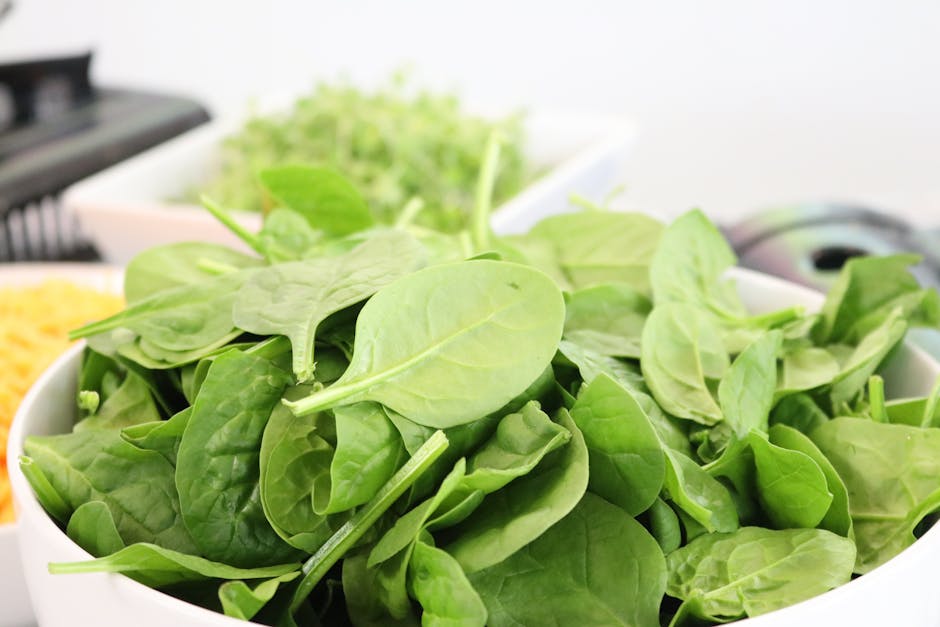
| Spinach, raw | 168462 | 194 | Drops sharply when cooked |
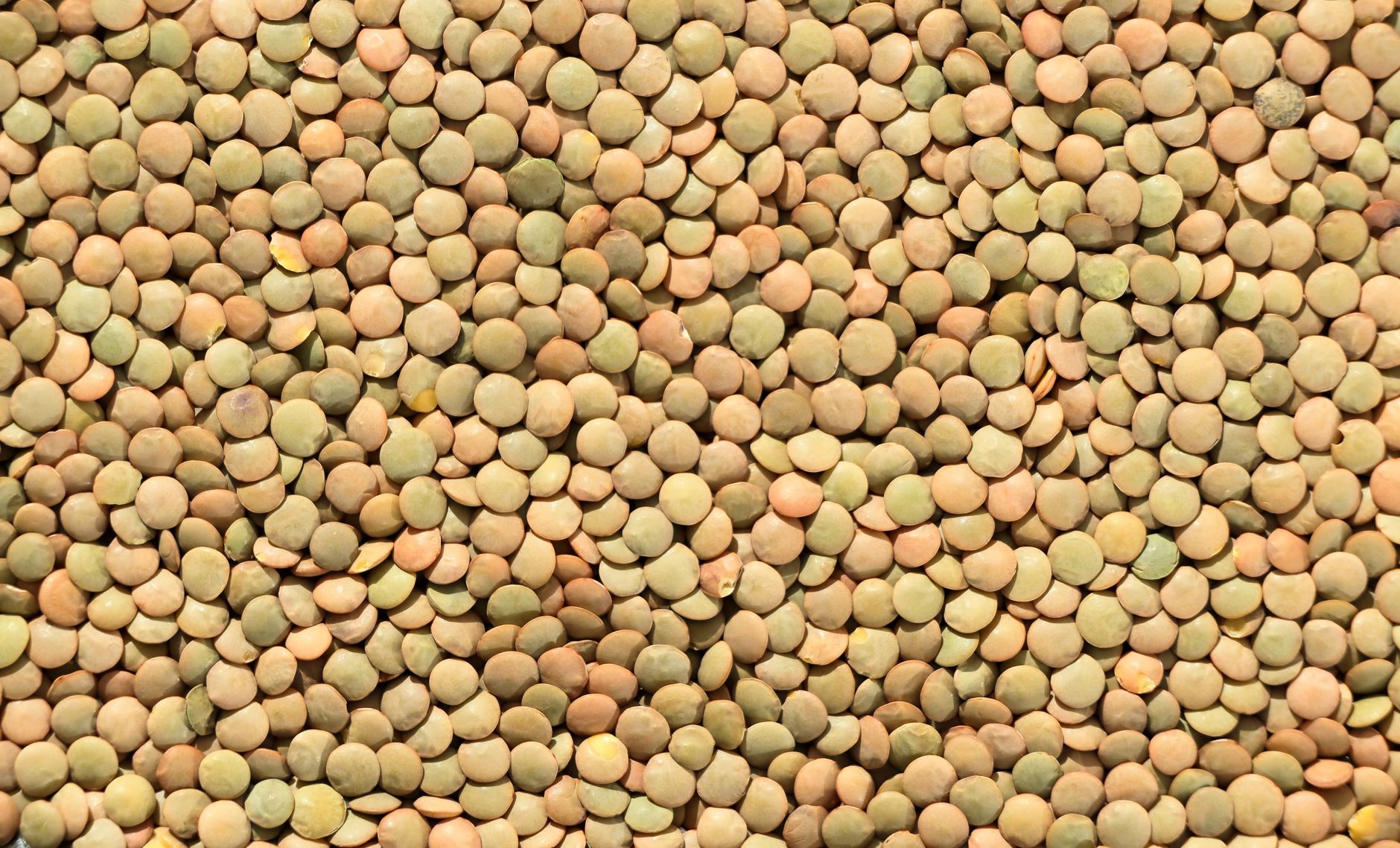
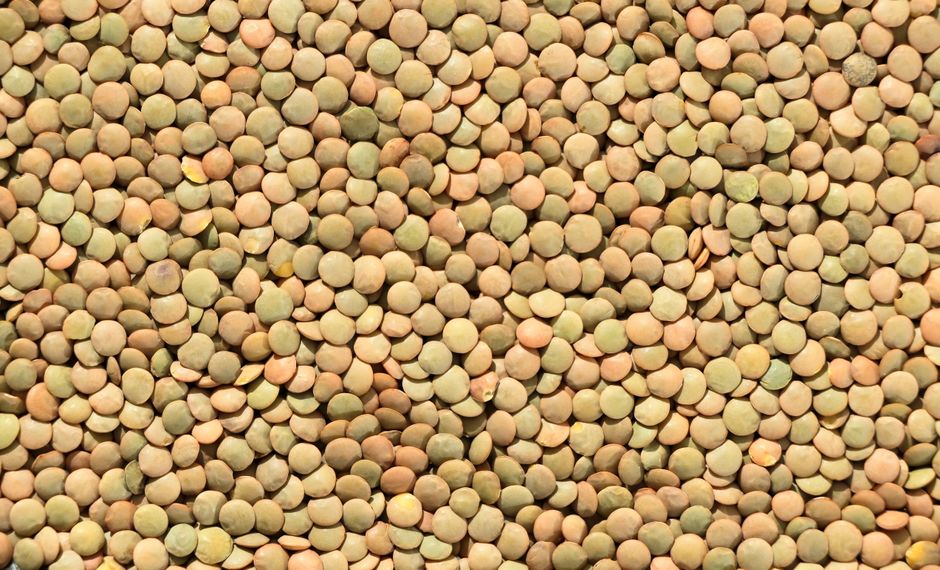
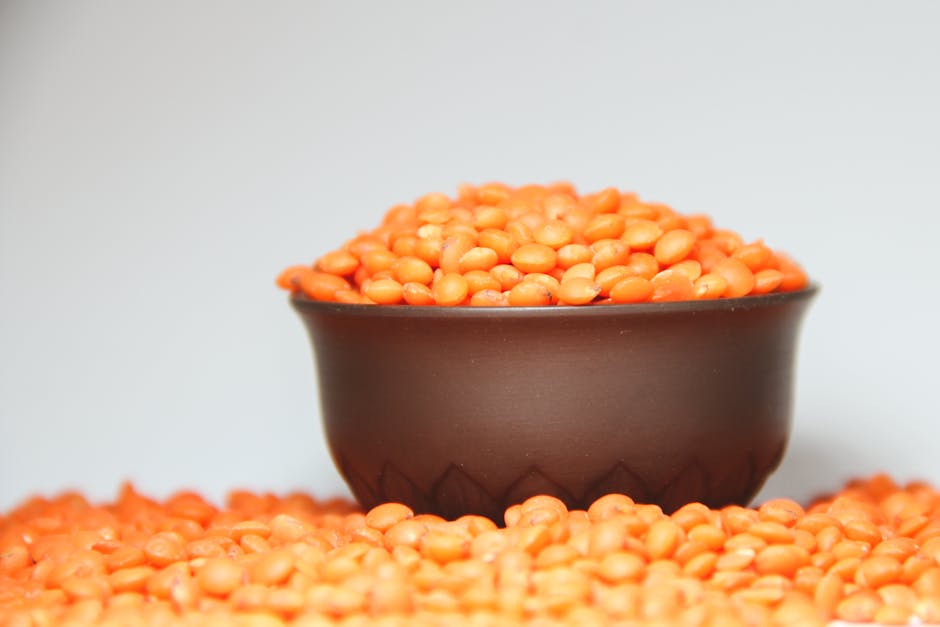
| Lentils, mature seeds, cooked, boiled | 175254 | 181 | Best plant source for everyday meals |
| Chickpeas, cooked, boiled | 173799 | 172 | Hummus base |
| Asparagus, cooked, boiled, drained | 168390 | 149 | Among the densest cooked vegetables |
| Black beans, cooked, boiled | 175237 | 149 | Tied with asparagus |
| Spaghetti, protein-fortified, cooked, enriched | 168934 | 132 | 71 µg folic acid + 11 µg food folate |
| White rice, medium-grain, enriched, cooked | 168880 | 97 | 56 µg folic acid + 2 µg food folate |
| Avocados, raw, California | 171706 | 89 | Often overstated by lifestyle blogs |
A few things jump out of this table. Edamame at 311 µg DFE per 100 grams is higher than I expected and higher than most general-audience nutrition articles report. Beef liver delivers nearly identical totals to fortified flour but contains zero synthetic folic acid — every microgram is naturally occurring. Spinach loses a substantial portion of its folate when cooked because folate is heat-sensitive and water-soluble, which is why the raw value is the one usually quoted.
The DFE Math, Worked Out With Real USDA Numbers
This is where the policy becomes arithmetic. The Institute of Medicine defined the DFE conversion as follows, per the NIH Office of Dietary Supplements:
- 1 microgram food folate = 1 microgram DFE
- 1 microgram folic acid taken with food = 1.7 micrograms DFE
- 1 microgram folic acid taken on an empty stomach = 2.0 micrograms DFE
Look at enriched white flour (FDC 168894): 154 µg folic acid + 29 µg food folate. The expected DFE value is (154 × 1.7) + 29 = 261.8 + 29 = 290.8, which rounds to 291 µg DFE. That matches the reported field exactly.
The enriched white rice record (FDC 168880) does the same: (56 × 1.7) + 2 = 95.2 + 2 = 97.2, reported as 97 µg DFE. The math is consistent across every fortified record I have audited so far.
This conversion is not cosmetic. It exists because folic acid bioavailability in fortified products has been measured at roughly 85%, while the bioavailability of food folate ranges from approximately 50% depending on the food matrix. Without the 1.7 multiplier, the daily intake calculations for fortified-grain consumers would systematically underestimate how much folate they are actually absorbing.
Folate vs Folic Acid: A Distinction That Matters Clinically
Folate (the natural form) and folic acid (the synthetic form) are not biochemically interchangeable inside the body. Folic acid must be reduced to dihydrofolate and then to tetrahydrofolate by the enzyme dihydrofolate reductase before it enters the active folate pool. The NIH notes that the liver's reductase capacity is finite, and at intakes above approximately 200 micrograms of folic acid per dose, unmetabolized folic acid begins circulating in the bloodstream.
The clinical significance of unmetabolized folic acid is still an open research area. The NIH ODS factsheet acknowledges concerns about possible interactions with B12 status and questions about long-term effects, while also noting that the population-level benefits of fortification are well established. This is exactly the kind of nuance that does not fit into a "best foods for X" listicle and is one reason this article is written from an engineering and data perspective rather than a clinical one.
People who want to avoid synthetic folic acid for personal or medical reasons can use the FDC data to find foods where the "folic acid" field is 0.0 µg — beef liver, spinach, lentils, asparagus, edamame, and avocado all qualify. People who are pregnant or trying to conceive should not interpret any of this as a reason to skip a prenatal vitamin without speaking to a healthcare provider, because the CDC neural-tube-defect data is built on the assumption that women of reproductive age are receiving adequate folic acid through fortification or supplementation.
Who Is Most at Risk for Folate Deficiency
Frank folate deficiency in the United States has dropped dramatically since fortification, but specific groups remain at higher risk. According to the NIH Office of Dietary Supplements and the Mayo Clinic, the populations most likely to be folate-insufficient include:
- People who are pregnant or trying to conceive. Folate demand rises sharply during early embryonic development, and neural tube closure happens in the first 28 days after conception, often before pregnancy is confirmed.
- People with alcohol use disorder. Alcohol interferes with folate absorption and increases urinary excretion. The NIH cites studies showing that chronic heavy drinkers can have folate intakes well below the RDA even when their food intake appears adequate.
- People with malabsorption conditions such as celiac disease or inflammatory bowel disease, where the small intestine's ability to absorb folate is reduced.
- People taking certain medications, including methotrexate, sulfasalazine, and some anticonvulsants, all of which interfere with folate metabolism. This is a strictly clinical situation that should be managed with the prescribing physician.
- Older adults with low food intake or restricted diets.
The CDC also notes that women of Hispanic descent in the United States historically had lower folate intakes than non-Hispanic white women, prompting the FDA to expand fortification in 2016 to include corn masa flour, which is a staple ingredient in tortillas and tamales.
The Folate Trap: A Note on the B12 Connection
This is one of the most important interactions in micronutrient nutrition, and it is the reason every reputable source emphasizes that folate and vitamin B12 should be considered together rather than in isolation.
When B12 is deficient, supplemental folic acid can mask the hematological symptoms of B12 deficiency (megaloblastic anemia) without correcting the underlying B12 problem. Meanwhile, the B12 deficiency continues to damage the nervous system, sometimes irreversibly. The NIH ODS specifically warns that this is why the upper limit (UL) for synthetic folic acid in adults is set at 1,000 micrograms per day from fortified foods and supplements combined, even though the UL does not apply to food folate.
If you are interested in this interaction, the companion article on this site about vitamin B12 deficiency covers the B12 side of the same biochemistry.
How Cooking and Storage Affect Folate
Folate is one of the more fragile vitamins in the food supply. According to the USDA Agricultural Research Service nutrient retention tables, boiling vegetables in large amounts of water can reduce folate content by 40% or more, primarily because folate leaches into the cooking water. Steaming, microwaving, or stir-frying with minimal water preserves substantially more.
The USDA FDC data reflects this. Spinach raw (FDC 168462) reports 194 µg DFE per 100 g. Spinach cooked entries in the database typically fall to roughly half that range. Pan-fried beef liver (FDC 168627) at 260 µg DFE versus raw at 290 µg DFE shows a smaller loss because the cooking method involves less water.
Practical takeaway from the data, not from me as a clinician: if folate is a priority, eating leafy greens raw, lightly steaming vegetables, or saving the cooking water for soups preserves more of the nutrient.
Engineering Notes From Aggregating This Data
Three things I found surprising while building HealthSavvyGuide on the USDA FDC API:
First, the "Folate, DFE" field is computed, not measured. It is derived from the underlying "Folate, food" and "Folic acid" fields using the IOM conversion formula. This means that if you are pulling raw lab values for a research project, you should query "Folate, total" rather than "Folate, DFE."
Second, fortification is not uniform across grain products globally. The USDA FDC database covers U.S. food supply primarily, and folic acid values in U.S. enriched grains will not match values in countries like the United Kingdom that, as of 2026, only began phasing in mandatory folic acid fortification of non-wholemeal flour. Anyone using FDC data outside the U.S. should treat the folic acid values as a U.S.-context number.
Third, the "Folate, food" field excludes folic acid entirely, which is genuinely useful for people who want to track only natural-form B9 intake — for example, anyone following a no-folic-acid protocol on the advice of a clinician.
These are observations from the data, not recommendations. The actionable interpretation belongs to a registered dietitian or physician who knows your medical history.
Frequently Asked Questions
Is folate the same as folic acid? No. Folate is the natural form found in food. Folic acid is the synthetic form used in fortification and most supplements. They differ in absorption and metabolism.
Can you get enough folate from food alone? The CDC and NIH note that women who are pregnant or planning pregnancy should still take a folic acid supplement (typically 400 µg daily) regardless of dietary intake, because of the timing window for neural tube closure. For non-pregnant adults, a varied diet that includes legumes, dark leafy greens, and enriched grains generally meets the 400 µg DFE RDA.
What does the MTHFR gene have to do with folate? MTHFR is an enzyme that converts folate into its active form (5-methyltetrahydrofolate). Some people carry common gene variants that reduce enzyme activity, but the clinical significance for the general population is debated. The CDC does not currently recommend MTHFR genetic testing as part of routine prenatal care. This is a conversation to have with a physician, not a blog.
Are folate supplements safe? The NIH-set upper limit (UL) for adults is 1,000 µg per day of folic acid from fortified foods and supplements combined. The UL exists primarily because of the B12-masking concern explained above. Food folate has no UL. Decisions about supplementation should be made with a healthcare provider, especially during pregnancy.
Why is my fortified cereal labeled higher than 100% Daily Value? Many fortified cereals contain 400 µg or more of folic acid per serving, which exceeds 100% DV (400 µg DFE). This is a regulatory labeling issue, not a safety issue at typical serving sizes, but stacking multiple fortified products plus a multivitamin can quickly push intake toward the UL.
Closing Thoughts From an Engineer
What started as a debugging session — why does enriched flour show 29 micrograms of food folate but 291 micrograms total? — turned into a window into the most successful nutrient fortification program in U.S. public health history. The DFE math in the USDA FoodData Central database is a real-time snapshot of a 1998 policy decision, encoded into every record for an enriched grain product, that the CDC credits with preventing more than 1,300 neural tube defects each year.
I am not in a position to tell anyone what to eat. What I can say, as someone who reads the database for a living, is that the data is more transparent than the marketing copy on most food packages. The FDC fields are public. The conversion math is documented. The citations to NIH, CDC, and the Institute of Medicine are open. If you have specific questions about your own folate status, talk to a clinician, and bring the data with you.
Sources and further reading:
- NIH Office of Dietary Supplements, Folate Fact Sheet for Health Professionals — https://ods.od.nih.gov/factsheets/Folate-HealthProfessional/
- CDC, Folic Acid and Neural Tube Defects — https://www.cdc.gov/ncbddd/folicacid/
- USDA FoodData Central — https://fdc.nal.usda.gov/
- Mayo Clinic, Folate (folic acid) overview — https://www.mayoclinic.org/drugs-supplements-folate/art-20364625
- FDA, Food Fortification regulations (21 CFR 137) — https://www.fda.gov/
Author: Fanny Engriana — software engineer building nutritional data aggregators on the USDA FoodData Central API. Not a medical professional.
Found this helpful?
Subscribe to our newsletter for more in-depth reviews and comparisons delivered to your inbox.