Biotin (Vitamin B7) Deficiency Signs and Best Food Sources: USDA FDC Data 2026
This article is for informational purposes only and is not medical advice. The content shares publicly available nutritional data from authoritative sources. Consult a qualified healthcare provider before making changes to your diet, starting supplements, or if you have symptoms you are concerned about.
Building HealthSavvyGuide on top of the USDA FoodData Central API surfaced an interesting pattern: biotin (vitamin B7) is one of the few water-soluble vitamins where the database often returns null values rather than zero. When I was aggregating nutritional profiles for over 1,465 foods, I noticed that biotin coverage in FDC is far less complete than coverage for other B vitamins like thiamine, riboflavin, or B12. The reason, I learned, is that biotin requires specialized analytical methods — and not every USDA reference food has been measured for it.
That data gap mirrors a real-world pattern. Biotin is one of the least-discussed B vitamins in routine clinical practice, partly because frank deficiency is uncommon, and partly because the body recycles biotin efficiently. But the gut absorption story, the avidin-from-raw-egg-whites mechanism, and a 2017 FDA Safety Communication about biotin supplements interfering with lab tests all make it a more interesting nutrient than its low profile suggests.
This article walks through what the USDA FoodData Central database identifies as the strongest natural biotin sources, what deficiency looks like, who is at elevated risk, and why high-dose biotin supplements have become a clinical concern.
What Biotin (Vitamin B7) Does in the Body
Biotin is a water-soluble B vitamin that functions as a coenzyme for five carboxylase enzymes involved in fatty acid synthesis, gluconeogenesis, and amino acid metabolism. According to the NIH Office of Dietary Supplements, biotin plays roles in:
- Energy metabolism: Biotin-dependent carboxylases help convert food into usable energy.
- Fatty acid synthesis: Biotin is required for the production of fatty acids in cells.
- Gluconeogenesis: The body uses biotin-dependent enzymes to make glucose from non-carbohydrate sources during fasting.
- Amino acid breakdown: Biotin assists in the catabolism of branched-chain amino acids like leucine.
- Gene regulation: Biotin is also involved in modifying histones, the proteins that package DNA in cells.
Because biotin is water-soluble and the body recycles it through an enzyme called biotinidase, daily requirements are quite small. The NIH lists the Adequate Intake (AI) for biotin at 30 micrograms (µg) per day for adults, with slightly higher values for breastfeeding women (35 µg/day). Children's requirements are lower, ranging from 5 µg/day for infants to 25 µg/day for adolescents.
Signs of Biotin Deficiency
Frank biotin deficiency is rare in healthy people eating a typical mixed diet. When it does occur, the Mayo Clinic and NIH list the following signs:
- Thinning hair or hair loss — One of the more recognizable signs, often accompanied by loss of hair color.
- Scaly red rash — Particularly around the eyes, nose, mouth, and genital area. In infants this is sometimes called "biotin-deficient dermatitis."
- Brittle nails — Nails that crack, peel, or split easily.
- Conjunctivitis — Inflammation of the eye tissues.
- Neurological symptoms — Depression, lethargy, hallucinations, and tingling in the hands and feet.
- Seizures — In severe untreated cases, particularly in infants with inherited biotinidase deficiency.
- Loss of muscle coordination (ataxia) — Reported in advanced deficiency.
The Cleveland Clinic notes that because biotin deficiency is uncommon, these symptoms have many other possible causes, and a healthcare provider should rule out more common explanations before attributing them to biotin status.
Who Is at Higher Risk?
The NIH identifies several groups where biotin deficiency is more likely to develop:
People with biotinidase deficiency
This is an inherited metabolic disorder where the body cannot recycle biotin properly. Most countries now screen newborns for biotinidase deficiency as part of routine newborn screening, because lifelong biotin supplementation prevents serious neurological complications when started early.
People consuming large amounts of raw egg whites
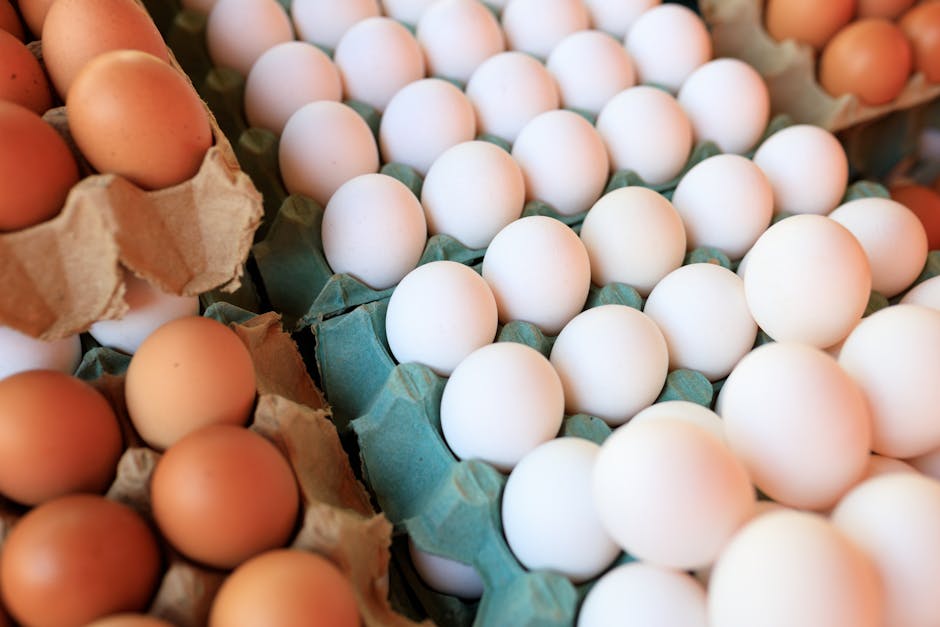
Raw egg whites contain a protein called avidin that binds biotin in the digestive tract and prevents its absorption. Cooking eggs denatures avidin and eliminates this effect. The NIH cites case reports of biotin deficiency in people who consumed large quantities of raw eggs daily for extended periods. For most people, this is not a concern — but bodybuilders historically consuming raw egg whites in shakes have been a documented risk group.
People taking certain anti-seizure medications
Long-term use of phenobarbital, phenytoin, primidone, and carbamazepine can lower biotin levels. The mechanism appears to involve both reduced absorption and increased degradation of biotin.
Pregnant and breastfeeding women
The NIH notes that biotin status declines during pregnancy in a meaningful proportion of women, even when intake appears adequate. The reasons are not fully understood but may involve increased metabolic demand and changes in renal handling.
People with chronic alcohol use disorder
Alcohol can interfere with biotin absorption from the small intestine. The Mayo Clinic notes that chronic heavy drinking is associated with multiple B-vitamin deficiencies, and biotin is included in this pattern.
What the USDA FoodData Central Data Reveals
When I queried the USDA FoodData Central API for biotin (nutrient ID 416 in the FDC schema), I noticed something that took me a while to figure out. Many entries in the Foundation Foods and SR Legacy datasets had no biotin value at all — not zero, but null. After digging into the FDC documentation, I learned that biotin requires specialized chromatographic or microbiological assays that are not part of the standard nutrient panel run on every reference food. The result is that biotin data is sparser than data for nutrients like sodium or calcium.
That said, biotin values are available for many common foods. Here are the strongest natural sources of biotin per 100g serving, drawing on USDA FDC entries and supplemental data referenced by the NIH:
| Food | Biotin (µg per 100g) |
|---|---|
| Beef liver (cooked) | ~30–42 µg |
| Egg (whole, cooked) | ~10 µg per egg |
| Salmon (cooked) | ~5 µg |
| Pork chop (cooked) | ~3.8 µg |
| Sunflower seeds (roasted) | ~9.6 µg per 1/4 cup (~30g) |
| Sweet potato (cooked) | ~2.4 µg per 1/2 cup |
| Almonds (roasted) | ~4.4 µg per 1/4 cup (~30g) |
| Tuna (canned in water) | ~0.6 µg per 3 oz |
| Spinach (boiled) | ~0.5 µg per 1/2 cup |
| Broccoli (raw) | ~0.4 µg per 1/2 cup |
| Cheddar cheese | ~0.4 µg per ounce |
| Avocado | ~1.85 µg per medium fruit |
What stands out from a data engineering perspective is how dominant beef liver is across the entire B-vitamin family. The same single food shows up in the top tier for B12, B5, B2, folate, and biotin. From an aggregation standpoint, when the most B-vitamin-dense food in the database is one that fewer people eat regularly, dietary variety becomes the practical strategy for meeting these requirements.
For most adults eating a mixed diet that includes eggs, fish, nuts, seeds, and at least some animal protein, hitting the 30 µg/day adequate intake is achievable without much effort. The aggregated USDA data also confirms that gut bacteria produce some biotin in the large intestine, although the NIH notes that the absorption efficiency of bacterially-produced biotin is uncertain and likely contributes only a small fraction of total intake.
The 2017 FDA Safety Communication on Biotin Supplements
This is the part of the biotin story most people are not aware of. In November 2017, the FDA issued a Safety Communication warning that high-dose biotin supplements (typically 5,000 to 10,000 µg per dose, marketed for hair, skin, and nail support) can cause clinically significant interference with certain laboratory tests that use a biotin-streptavidin binding system.
The most concerning interference involves cardiac troponin assays. False-low troponin readings could mask an ongoing heart attack and delay appropriate treatment. The FDA cited at least one death potentially linked to this interference. Other affected tests include:
- Thyroid panel (TSH, T3, T4) — can produce results suggestive of hyperthyroidism when none exists, or mask actual hypothyroidism
- Hormone tests including parathyroid hormone
- Vitamin D assays
- Various tumor markers
- Some hepatitis serology tests
The FDA recommends that patients tell their healthcare providers about any biotin supplements they are taking before lab work, and that doctors consider biotin interference when test results don't match the clinical picture. The interference is dose-dependent — the megadose products marketed for hair growth (often 5,000–10,000 µg per serving) are far more likely to cause issues than the modest amounts in a standard multivitamin.
What the FDA communication did not say, but which is worth noting from the engineering side, is that the underlying issue is a measurement artifact, not a toxicity. Excess biotin in the bloodstream binds to streptavidin reagents used in many immunoassays, throwing off the readings. The fix is timing — most labs recommend stopping high-dose biotin for at least 72 hours before testing, though some assays may need longer washout periods.
Does Biotin Actually Improve Hair, Skin, and Nails?
Biotin supplements are heavily marketed for hair growth and nail strength. The actual evidence is more measured than the marketing suggests. The NIH summary of the research is direct: there is good evidence that biotin supplementation improves outcomes in people who are biotin-deficient, but limited evidence that it provides additional benefit to people whose biotin status is already adequate.
A 2017 review published in Skin Appendage Disorders looked at 18 reported cases of biotin use for hair and nail concerns. In every case where biotin appeared to help, the patient had an underlying condition that affected biotin status. In healthy people without deficiency, the evidence for benefit is largely anecdotal.
This is a common pattern with supplements: a nutrient that genuinely helps people who are deficient gets marketed as a general performance enhancer, even though the supporting evidence in non-deficient populations is thin. The Cleveland Clinic and other sources advise that brittle hair and nails have many possible causes, and that ruling out other explanations is more useful than assuming biotin is the answer.
Cooking and Storage Effects
Biotin is reasonably heat-stable but can be lost through prolonged cooking in water. Boiling vegetables for extended periods leaches biotin into the cooking water, which is one reason steaming or roasting tends to retain more of the vitamin. Canning and food processing can also reduce biotin content compared to fresh equivalents.
One frequently cited piece of advice — that all eggs should be cooked rather than eaten raw to preserve biotin absorption — is supported by clear mechanistic evidence. The avidin-biotin binding in raw egg whites is one of the strongest non-covalent interactions known in biochemistry, and cooking is the practical solution. People who eat occasional raw or undercooked eggs in items like homemade Caesar dressing, raw cookie dough, or certain protein shakes are not at meaningful risk; the concern applies to those consuming significant quantities daily over weeks or months.
Frequently Asked Questions
How much biotin do I need per day?
The NIH lists the Adequate Intake at 30 µg/day for adults, with slightly higher values for breastfeeding women (35 µg/day). Children need less, depending on age.
Can I get enough biotin from diet alone?
For most adults eating a mixed diet that includes eggs, fish, nuts, and at least some animal protein, yes. Strict vegans should pay attention to nuts, seeds, sweet potatoes, and avocado as biotin sources, though dietary intake is rarely the primary issue with biotin status.
Are biotin supplements safe?
The NIH has not established an upper limit for biotin because adverse effects from high doses appear minimal. However, the FDA has warned that high doses can interfere with lab tests, including those used to diagnose heart attacks. If you take high-dose biotin supplements, tell your healthcare provider before any blood work.
Will biotin make my hair grow faster?
For people who are biotin-deficient, supplementation can help. For people whose biotin status is already adequate, the evidence is limited. Hair concerns have many possible causes, and a healthcare provider can help identify the relevant ones.
Should I worry about eating eggs?
Cooked eggs are a good source of biotin and one of the few common foods that reliably contains the vitamin. The avidin in raw egg whites can bind biotin, but cooking denatures it. Cooked eggs do not have this effect.
How is biotin deficiency diagnosed?
Direct blood tests for biotin are available but not commonly ordered. Diagnosis typically involves clinical evaluation of symptoms combined with knowledge of risk factors like inherited biotinidase deficiency or long-term anti-seizure medication use. Newborn screening programs in most developed countries test for inherited biotinidase deficiency.
Summary
Biotin is a water-soluble B vitamin needed in small daily amounts (30 µg/day adequate intake for adults). The USDA FoodData Central database identifies cooked beef liver, eggs, salmon, sunflower seeds, almonds, and sweet potatoes as among the better natural sources. Frank deficiency is uncommon in healthy people eating a mixed diet, but specific groups — including people with inherited biotinidase deficiency, those on long-term anti-seizure medications, and people consuming large quantities of raw egg whites — are at elevated risk.
The most clinically important biotin issue today is not deficiency but supplement interference with laboratory tests. The 2017 FDA Safety Communication remains relevant: high-dose biotin supplements marketed for hair, skin, and nails can cause false readings on cardiac troponin and thyroid panels, with potentially serious consequences. Anyone taking these supplements should disclose them before any blood work.
If you are concerned about your biotin status, hair or nail changes, or possible interactions between supplements and medications, talk with a qualified healthcare provider. This article is informational only and does not replace personalized medical advice.
Found this helpful?
Subscribe to our newsletter for more in-depth reviews and comparisons delivered to your inbox.