Sleep Optimization in 2026: Science-Backed Tips for Better Rest and Peak Performance
If there is one wellness conversation dominating 2026, it is sleep. Not another juice cleanse, not a grueling 5 a.m. workout routine, not a restrictive elimination diet — sleep. Health researchers, physicians, and wellness professionals have been increasingly vocal about a simple truth: no amount of exercise or clean eating can fully compensate for consistently poor sleep. That message has finally reached the mainstream, and sleep optimization is now widely regarded as the single most impactful health habit you can invest in this year.
But what does "sleep optimization" actually look like in practice? And how do you separate genuine, evidence-based strategies from the hype? In this guide, we break down the latest science, practical tips, and emerging technology to help you build a sleep routine that works for your life — not against it.
The Science of Sleep: Why Quality Matters More Than Quantity
For years, the standard advice was simple: get eight hours. While sleep duration still matters, research published in recent years has shifted the focus toward sleep quality — how efficiently you cycle through the stages of sleep, including deep (slow-wave) sleep and REM sleep.
During deep sleep, the body is believed to carry out critical repair processes. Growth hormone secretion peaks, tissue repair accelerates, and the glymphatic system — a waste-clearance pathway in the brain — appears to flush out metabolic byproducts, including beta-amyloid proteins that have been linked to neurodegenerative conditions. REM sleep, meanwhile, is associated with memory consolidation, emotional processing, and creative problem-solving.
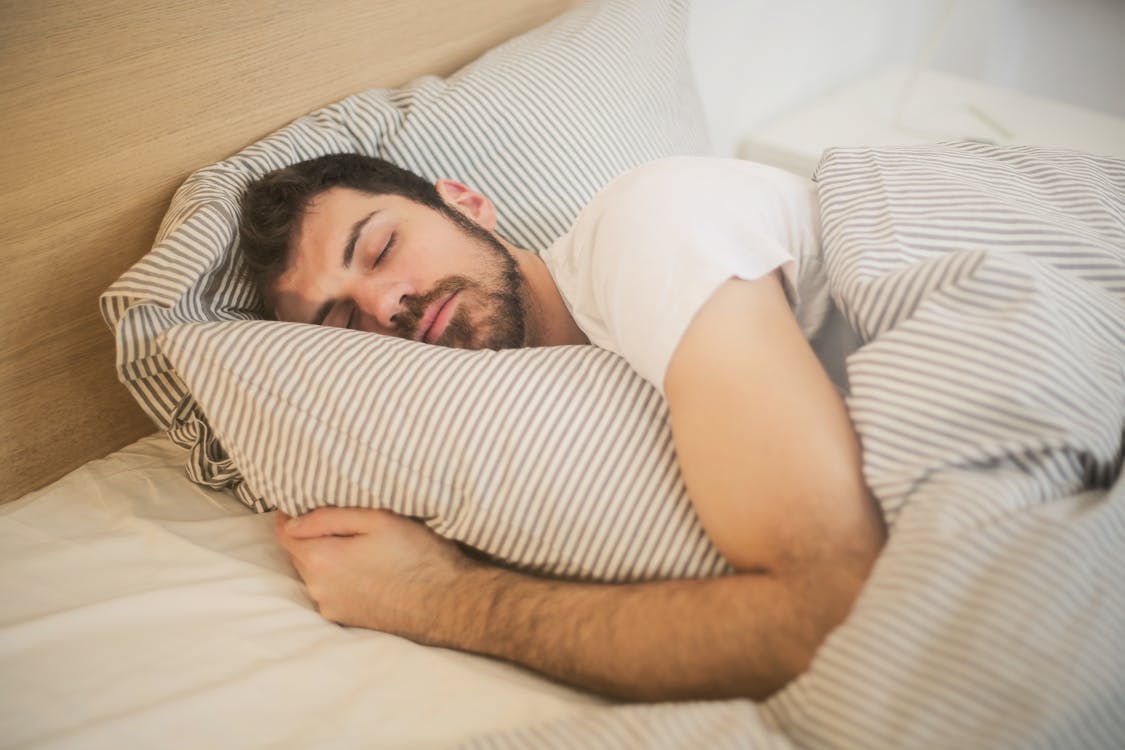
A person who sleeps seven hours of uninterrupted, high-quality sleep may wake feeling more restored than someone who spends nine hours in bed but experiences frequent awakenings or spends insufficient time in restorative sleep stages. This distinction is at the heart of modern sleep optimization: it is not just about logging hours — it is about making those hours count.
How Poor Sleep Affects Your Body and Mind
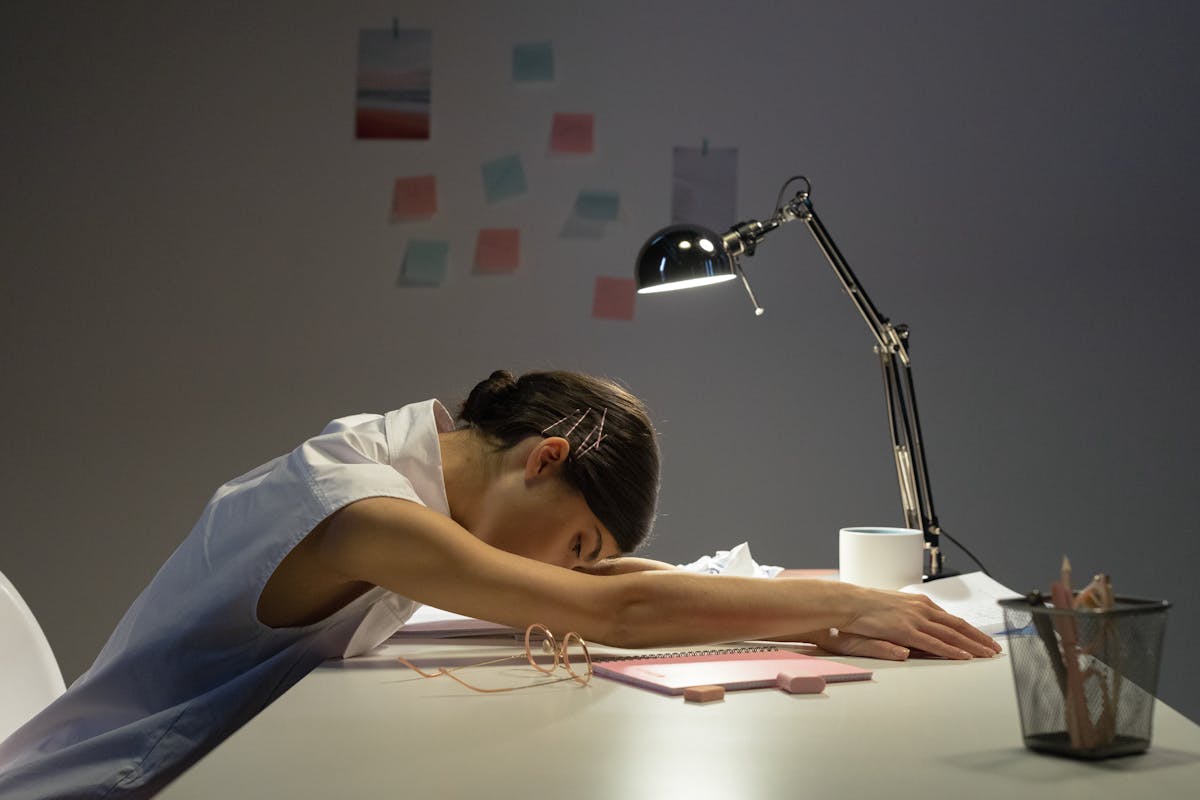
The consequences of chronic sleep deprivation extend far beyond daytime grogginess. Research suggests that insufficient sleep may contribute to a wide range of health concerns:
Immune Function
Studies indicate that people who consistently sleep fewer than seven hours per night may be more susceptible to common infections. Sleep is thought to play a role in the production of cytokines — proteins that help regulate immune response. When sleep is curtailed, this process may be disrupted.
Weight Management
Poor sleep has been associated with changes in hunger-regulating hormones. Research suggests that sleep deprivation may increase levels of ghrelin (a hormone that stimulates appetite) while decreasing leptin (a hormone that signals fullness). Over time, this hormonal imbalance may contribute to increased calorie intake and weight gain.
Mental Health
There is growing evidence of a bidirectional relationship between sleep and mental health. Chronic sleep problems are associated with a higher risk of anxiety and depression, while these conditions can, in turn, make restful sleep more difficult. Addressing sleep is increasingly seen as a foundational component of mental health care.
Cognitive Performance
Even moderate sleep restriction — losing just one to two hours per night over a period of days — has been shown in laboratory studies to impair attention, reaction time, and decision-making ability to a degree comparable to mild alcohol intoxication.
The Sleep-Gut Connection: A 2026 Breakthrough
One of the most talked-about developments in sleep science this year involves the gut-brain axis. Emerging research suggests that the relationship between sleep and gut health may be more significant than previously understood.
The gut microbiome — the community of trillions of microorganisms living in the digestive tract — appears to be influenced by sleep patterns. Preliminary studies indicate that sleep deprivation may reduce microbial diversity, which is generally considered a marker of gut health. Conversely, a healthy, diverse microbiome may support the production of neurotransmitters like serotonin and gamma-aminobutyric acid (GABA), both of which play roles in sleep regulation.
While this field is still in its early stages, and more large-scale human studies are needed, the sleep-gut connection is an area researchers are watching closely. What seems increasingly clear is that sleep, digestion, and overall well-being are more interconnected than the traditional siloed approach to health would suggest.
10 Science-Backed Sleep Optimization Tips
Here are practical, evidence-informed strategies that may help you improve your sleep quality. As with any health-related change, what works best can vary from person to person.
1. Maintain a Consistent Sleep-Wake Schedule
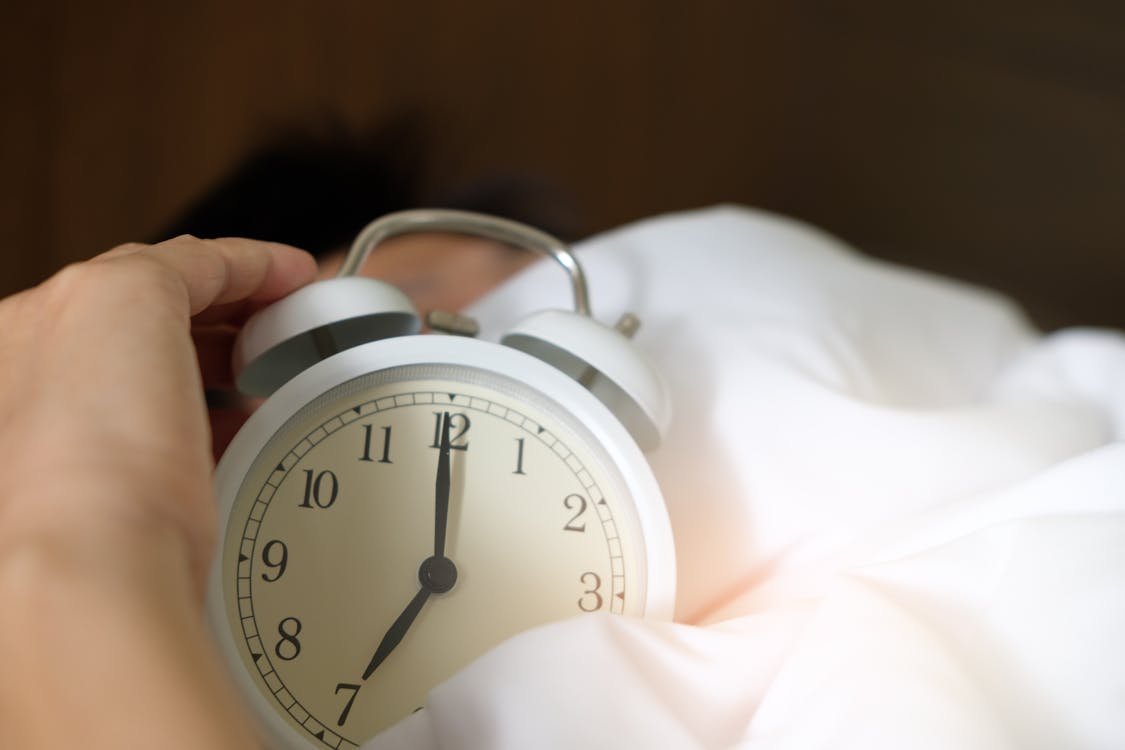
This is arguably the single most important sleep habit you can adopt. Going to bed and waking up at roughly the same time every day — including weekends — helps reinforce your body's circadian rhythm. Research consistently shows that irregular sleep schedules are associated with poorer sleep quality, daytime fatigue, and even metabolic disruption.
Practical tip: Start by setting a fixed wake-up time and work backward to determine your target bedtime. Allow yourself a window of about 30 minutes of flexibility rather than rigid precision.
2. Optimize Your Bedroom Environment
Your sleep environment has a direct impact on how easily you fall asleep and how well you stay asleep.
- Temperature: Most sleep researchers suggest a bedroom temperature between 60-67 degrees Fahrenheit (15-19 degrees Celsius). A cool room supports the natural drop in core body temperature that accompanies sleep onset.
- Light: Even small amounts of ambient light can interfere with melatonin production. Blackout curtains or a well-fitting sleep mask may help.
- Noise: If you cannot control environmental noise, a white noise machine or earplugs may be beneficial. Consistent, low-level background sound tends to be less disruptive than intermittent noise.
3. Set Screen Time Boundaries Before Bed
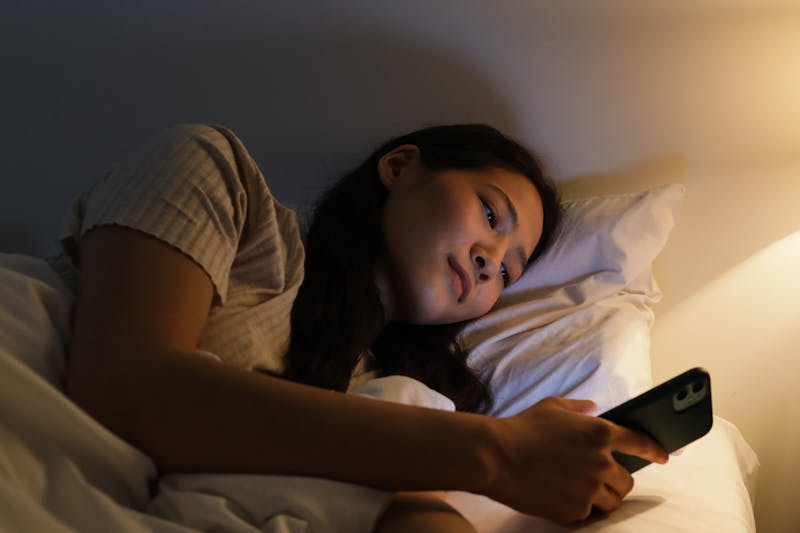
The blue light emitted by phones, tablets, and computers has been shown to suppress melatonin production, the hormone that signals your body it is time to sleep. But the problem extends beyond blue light alone — the stimulating content we consume (news feeds, social media, work emails) can activate stress responses that make it harder to wind down.
Doomscrolling before bed is one of the most common sleep disruptors in 2026. Research suggests that limiting screen exposure for at least 60 minutes before your target bedtime may help. If complete avoidance is not realistic, consider using blue light filters and switching to less stimulating content.
4. Be Mindful of Evening Nutrition
What you eat and drink in the hours before bed can influence sleep quality. Heavy, spicy, or high-fat meals close to bedtime may cause discomfort and disrupt sleep. Some research suggests that foods containing tryptophan (such as turkey, nuts, and seeds), magnesium (leafy greens, whole grains), and complex carbohydrates may support better sleep when consumed as part of a balanced evening meal.
Avoid large meals within two to three hours of bedtime. If you need a light snack, opt for something small and easy to digest.
5. Time Your Exercise Strategically
Regular physical activity is strongly associated with improved sleep quality. However, timing matters. Vigorous exercise close to bedtime — generally within two to three hours — may raise core body temperature and stimulate the nervous system, potentially making it harder to fall asleep.
Morning or early afternoon exercise tends to be most beneficial for sleep, though moderate-intensity activity like gentle yoga or walking in the evening does not appear to cause problems for most people.
6. Build a Wind-Down Routine
A consistent pre-sleep routine signals to your brain that it is time to transition from wakefulness to sleep. This does not need to be elaborate. Effective wind-down practices may include:
- Reading a physical book
- Light stretching or gentle yoga
- Journaling or writing a brief to-do list for the next day
- Breathing exercises or guided meditation
- Taking a warm bath or shower (the subsequent drop in body temperature may promote sleepiness)
The key is consistency. Over time, these cues become associated with sleep onset, making the transition smoother.
7. Establish a Caffeine Cutoff Time
Caffeine has a half-life of approximately five to six hours, meaning that half the caffeine from your afternoon coffee is still circulating in your system many hours later. Research suggests that caffeine consumed even six hours before bedtime can reduce total sleep time and disrupt sleep architecture.
A reasonable guideline for most people is to avoid caffeine after early to mid-afternoon. If you are particularly sensitive to caffeine, an earlier cutoff — or reducing overall intake — may be worth considering.
8. Prioritize Morning Sunlight Exposure
Exposure to bright natural light in the morning helps anchor your circadian rhythm by suppressing melatonin and promoting cortisol release (in a healthy, natural pattern). Studies suggest that 10 to 30 minutes of outdoor light exposure within the first hour of waking can improve sleep onset and overall sleep quality.
This is especially important for people who work indoors or live in regions with limited winter daylight. On overcast days, even cloudy outdoor light is significantly brighter than typical indoor lighting.
9. Use Sleep Tracking Technology Wisely
Wearable devices and smart mattress sensors have become increasingly sophisticated in 2026, offering insights into sleep stages, heart rate variability, and respiratory patterns. These tools can be valuable for identifying trends and patterns — for example, noticing that your deep sleep improves on days when you exercise, or that late meals consistently disrupt your rest.
However, it is important to use sleep trackers as informational tools rather than sources of anxiety. A phenomenon sometimes called "orthosomnia" — obsessive concern over achieving perfect sleep data — can paradoxically worsen sleep. Use the data as a general guide, not a report card.
10. Know When to See a Specialist
If you have consistently followed good sleep hygiene practices and still struggle with sleep, it may be time to consult a healthcare professional. Conditions such as sleep apnea, restless legs syndrome, chronic insomnia, and circadian rhythm disorders require proper diagnosis and, in many cases, targeted treatment.
Signs that a professional evaluation may be warranted include: persistent difficulty falling or staying asleep, loud or irregular snoring, excessive daytime sleepiness despite adequate time in bed, and sleep patterns that significantly interfere with daily functioning.
Sleep Tech in 2026: Tools Worth Trying
The sleep technology market has matured considerably. While no gadget can replace fundamental sleep hygiene, several categories of tools may complement a solid routine:
- Smart mattresses and mattress toppers: Some newer models offer dynamic temperature regulation, adjusting surface temperature throughout the night to match your body's natural thermal cycle. Early user reports and preliminary studies suggest these may improve perceived sleep quality.
- Wearable sleep trackers: Devices from major manufacturers now incorporate multi-sensor arrays that track sleep stages with increasing accuracy. Look for trackers validated against polysomnography (the clinical gold standard) for the most reliable data.
- Light therapy devices: Sunrise alarm clocks and adjustable smart lighting systems that shift color temperature throughout the day may support circadian rhythm alignment, particularly for shift workers or those with seasonal challenges.
- AI-powered sleep coaching: A growing number of apps use personalized data — including sleep patterns, activity levels, and even nutrition logs — to generate tailored sleep recommendations. This convergence of personalized nutrition and AI health optimization is one of the defining wellness trends of 2026, though it is still early days for rigorous clinical validation.
- Sound and environment machines: Devices that generate white, pink, or brown noise, or play nature soundscapes, remain popular and are supported by a reasonable body of evidence for improving sleep onset.
As with any health product, approach marketing claims with a critical eye. Look for peer-reviewed evidence and verified user reviews before investing.
Creating Your Personal Sleep Optimization Plan
The 2026 wellness landscape is moving away from extreme, one-size-fits-all routines and toward practical, personalized daily habits. Your sleep optimization plan should reflect your unique schedule, preferences, and health circumstances.
Here is a simple framework to get started:
Week 1 — Establish the Foundation:
Set a consistent wake-up time and bedtime. Focus on these two anchors before changing anything else.
Week 2 — Optimize the Environment:
Assess your bedroom for temperature, light, and noise. Make one or two adjustments and observe the effects.
Week 3 — Refine Your Habits:
Introduce a screen-time cutoff, a caffeine boundary, and a brief wind-down routine. Do not try to change everything at once — small, sustainable changes tend to stick better than radical overhauls.
Week 4 — Track and Adjust:
If you use a sleep tracker, review your data for patterns. Identify what seems to help most and what may need further adjustment. Consider keeping a brief sleep diary to capture subjective experience alongside any objective data.
Ongoing:
Revisit your routine periodically. Life changes — new work schedules, travel, seasonal shifts — may require adjustments. The goal is a flexible, sustainable system, not a rigid protocol.
Common Sleep Myths Debunked
Misinformation about sleep remains widespread. Here are a few persistent myths worth addressing:
Myth: You can "catch up" on lost sleep over the weekend.
While recovery sleep can partially offset short-term sleep debt, research suggests that the metabolic and cognitive effects of chronic sleep deprivation are not fully reversed by weekend lie-ins. Consistency is more valuable than compensation.
Myth: Alcohol helps you sleep better.
While alcohol may help you fall asleep faster, it is well established that it disrupts sleep architecture — particularly REM sleep — in the second half of the night. The net effect is typically poorer overall sleep quality.
Myth: If you can fall asleep within minutes, you are a good sleeper.
Falling asleep almost instantly (within one to two minutes) can actually be a sign of significant sleep deprivation rather than healthy sleep. A normal sleep onset latency is generally considered to be around 10 to 20 minutes.
Myth: Watching TV in bed is fine as long as it is relaxing content.
Even passively watching a screen exposes you to artificial light and keeps your brain in a state of mild engagement. The bedroom ideally should be associated with sleep (and intimacy) to strengthen the mental link between the space and rest.
Myth: Older adults need less sleep.
Sleep architecture changes with age, but the need for sleep does not dramatically decrease. Many older adults still benefit from seven to eight hours, though they may find it more difficult to achieve continuous sleep and may need to adapt their routines accordingly.
Conclusion: Making Sleep Your Health Foundation
Sleep optimization is not a trend that will fade with the next wellness cycle. It represents a fundamental recalibration in how we think about health — one that places recovery and rest on equal footing with nutrition and exercise. The science is increasingly clear: quality sleep is not a luxury, it is a biological necessity that underpins virtually every aspect of physical and mental well-being.
You do not need a perfect routine or expensive technology to start sleeping better. Begin with the basics — consistency, a comfortable environment, and mindful pre-sleep habits — and build from there. Small, evidence-informed changes, sustained over time, can lead to meaningful improvements in how you feel, think, and perform.
Your sleep is worth prioritizing. Start tonight.
Medical Disclaimer: The information provided in this article is for general educational and informational purposes only and is not intended as, nor should it be considered a substitute for, professional medical advice, diagnosis, or treatment. Always seek the advice of your physician or other qualified healthcare provider with any questions you may have regarding a medical condition or sleep disorder. Never disregard professional medical advice or delay in seeking it because of something you have read on this website. If you think you may have a medical emergency, call your doctor or emergency services immediately. HealthSavvyGuide.com does not recommend or endorse any specific tests, physicians, products, procedures, opinions, or other information that may be mentioned in this article.
Found this helpful?
Subscribe to our newsletter for more in-depth reviews and comparisons delivered to your inbox.
Related Articles